

Finishing your last clear aligner tray feels like a major milestone. You have worked hard for your new smile, and it shows. But here is something every patient in Newton, KS should understand: your clear aligner journey is not over when active treatment ends. The next phase — retention — is just as important for helping protect the alignment you worked to achieve.
Skipping or becoming inconsistent with your retainer can allow your teeth to gradually shift, potentially compromising months of progress.
Why Retention Matters After Clear Aligner Treatment in Newton
Your teeth are supported by bone, periodontal ligaments, and surrounding tissues that adapt as your teeth move. During clear aligner treatment, gentle, controlled forces gradually reposition your teeth while the supporting structures around them remodel.
When you finish your final aligner, that biological process is not necessarily complete.
The tissues surrounding your teeth need time to adapt and stabilize around their new positions. Without proper retention, teeth can naturally begin moving back toward previous positions. This process is known as orthodontic relapse.
Some shifting may occur relatively quickly after active treatment ends, while other changes happen gradually over months or years. The amount and timing of movement varies from patient to patient.
A retainer helps hold your teeth in their corrected positions while the surrounding tissues continue to stabilize. Think of retention as protecting the foundation of your newly aligned smile.
Clear aligner treatment gets your teeth where you want them. Retention helps keep them there.
Types of Retainers Dr. Bo Davidson May Recommend
At Newton Dental Studio, Dr. Bo Davidson can recommend a retention approach based on your individual treatment, bite, tooth positions, oral health, and lifestyle.
Common retainer options include:
-
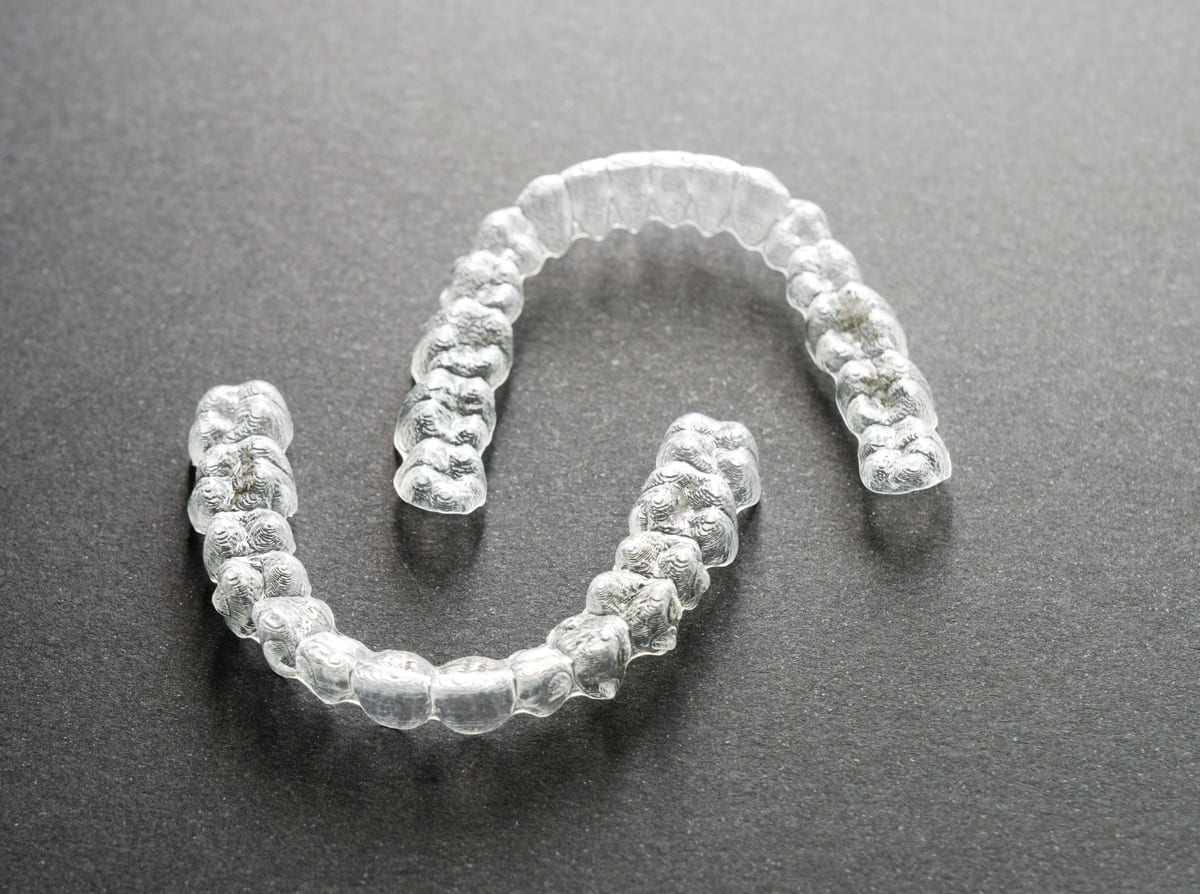
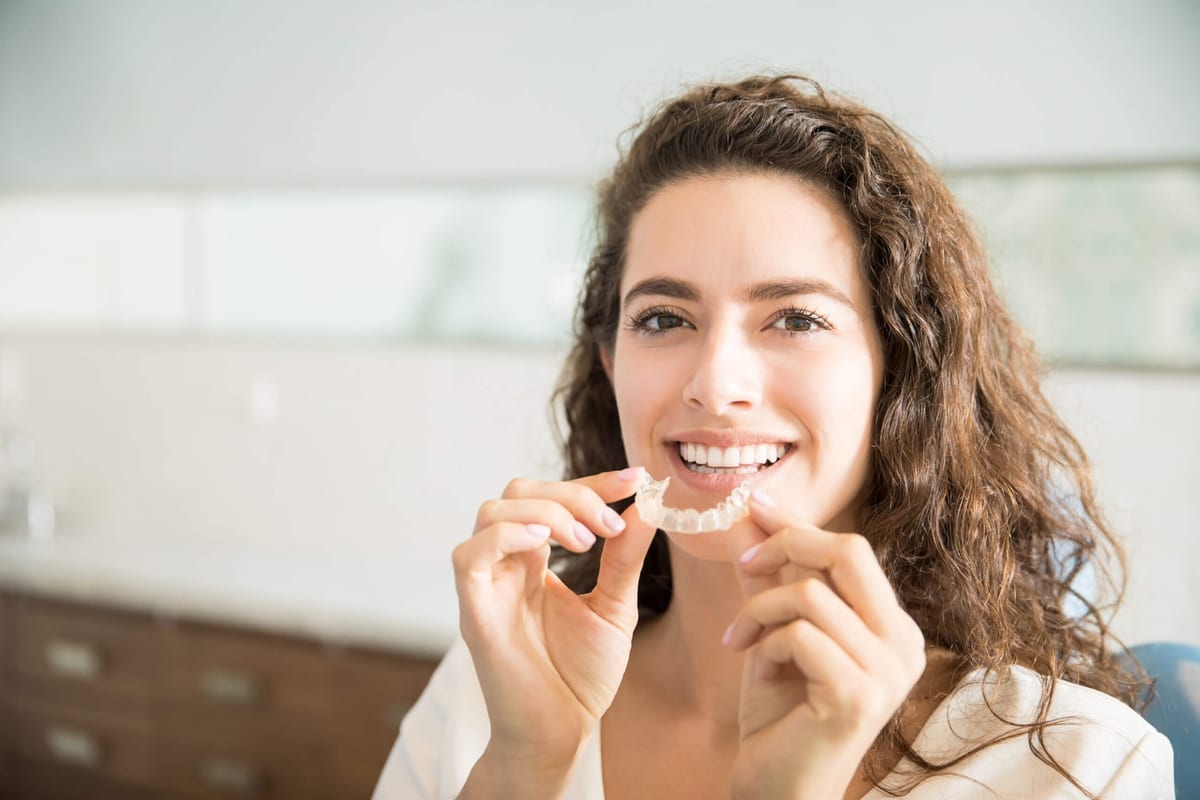
Removable clear retainers: These custom-fitted trays look similar to clear aligners. They are discreet, removable, and relatively simple to clean and maintain.
-
Fixed or bonded retainers: A thin wire is bonded behind certain teeth, typically the front teeth. Because the retainer remains in place, it provides continuous passive retention.
-
Hawley retainers: These traditional retainers are made using acrylic and wire. They are durable and may be adjustable when appropriate.
Some patients may benefit from using more than one type of retainer. For example, a fixed retainer may be recommended for certain lower teeth while a removable retainer helps maintain the position of the entire arch.
Dr. Davidson will evaluate your individual needs and recommend the retention plan that provides the right level of long-term support for your smile.
What Happens If You Stop Wearing Your Retainer?
Once your teeth look straight, it can be tempting to believe your orthodontic treatment is completely finished. However, discontinuing retainer wear too soon or becoming inconsistent with it can increase the likelihood of orthodontic relapse.
The first changes may be subtle.
You might notice that your retainer feels tighter when you put it back in or that your bite feels slightly different. Over time, gaps may begin to reopen, previously crowded teeth may start moving, or other changes in alignment may become visible.
If enough movement occurs, correcting the relapse could require additional clear aligner treatment or another form of orthodontic care. That means more appointments, additional treatment time, and potentially additional expense.
It is much easier to protect your results through consistent retainer wear than to correct significant movement after it has occurred.
Some changes in tooth position can also influence how your teeth come together when you bite. If you notice changes in your bite, jaw comfort, or retainer fit, contact Newton Dental Studio so Dr. Davidson can evaluate what is happening.
How Long Do You Need to Wear a Retainer in Newton?
This is one of the most common questions patients have after completing clear aligner treatment.
For many patients, some level of retainer wear is recommended long-term. However, the schedule can change as your teeth become more stable.
A general retention schedule may include:
-
Immediately after treatment: Follow Dr. Davidson’s instructions for consistent retainer wear. Some patients may be asked to wear their retainers for most of the day initially.
-
During the first several months: Your retainer schedule may gradually decrease as your teeth and supporting tissues become more stable.
-
Long-term maintenance: Many patients transition to nighttime wear and continue using their retainers indefinitely.
Your exact schedule may be different depending on how much your teeth moved, your bite, the type of retainer you use, and how your teeth respond after treatment.
The goal is to protect your results for the long term. Like brushing and flossing, retainer wear can eventually become a simple part of your regular oral health routine.
Caring for Your Retainer Between Appointments
A clean, properly fitting retainer is important for both your oral health and the longevity of the appliance.
Simple retainer care tips include:
-
Rinse your removable retainer with cool or lukewarm water after removing it.
-
Clean it gently with a soft toothbrush and an appropriate cleaning product.
-
Use a retainer-cleaning solution when recommended.
-
Store your retainer securely in its case whenever it is not being worn.
-
Avoid exposing clear retainers to excessive heat, which can distort the material.
-
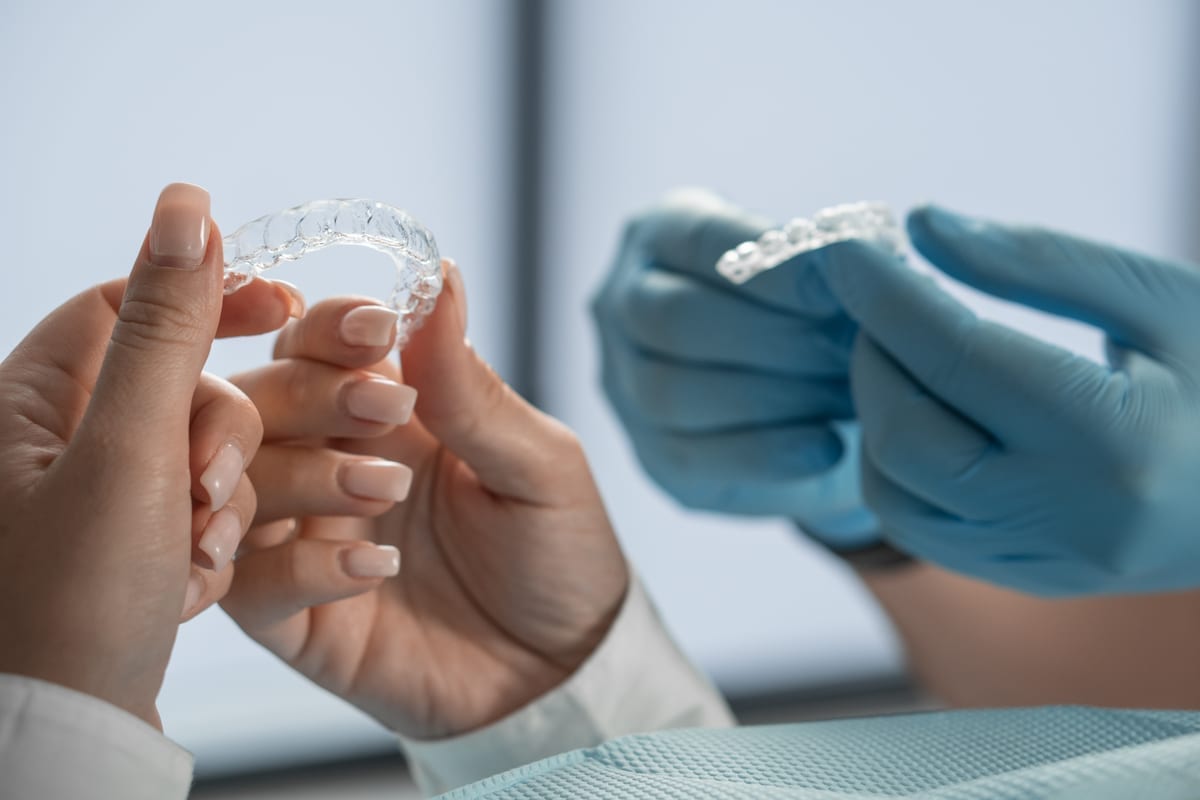
Bring your retainer to regular dental visits so Dr. Davidson can evaluate its fit and condition.
If your retainer suddenly feels tighter after you have gone several nights without wearing it, your teeth may have begun to shift.
Do not force a retainer that no longer fits properly or causes significant discomfort. Contact Newton Dental Studio so the team can evaluate your tooth positions and determine whether your current retainer is still appropriate.
Retainers also wear down over time. If yours becomes cracked, distorted, loose, or damaged, it may be time for a replacement.
Retention and Your Overall Dental Health in Newton
Maintaining your clear aligner results is part of maintaining your overall smile.
Properly aligned teeth can often be easier to brush and floss because there are fewer crowded or difficult-to-access areas. Maintaining your alignment can therefore support your long-term oral hygiene routine.
Your bite is also important. Teeth that do not come together properly may experience uneven forces during biting and chewing. Over time, excessive forces can contribute to tooth wear or other restorative concerns in some patients.
If a tooth becomes damaged or weakened, Dr. Davidson may recommend restorative treatment such as Dental Crowns Newton to help restore its strength, appearance, and function.
For patients who are missing teeth, Newton Dental Studio also offers options such as Dental Implants Newton as part of a comprehensive approach to restoring the smile.
Regular dental visits give Dr. Davidson an opportunity to monitor your tooth alignment, bite, retainer fit, and overall oral health. Catching small changes early can make them easier to address before they become larger concerns.
Conclusion: Protect the Smile You Worked Hard For
Your clear aligner journey does not end when you finish your final tray — it simply enters a new phase.
Retention helps preserve the alignment you worked hard to achieve. With the right retainer, consistent habits, and ongoing support from Dr. Bo Davidson and the Newton Dental Studio team, you can help protect your smile for years to come.
Your clear aligners helped create your new smile. Your retainer helps you maintain it.
Book Now to schedule your appointment with our team.
Frequently Asked Questions
How soon after clear aligner treatment do I need to start wearing a retainer?
Retainer wear generally begins immediately after active clear aligner treatment is completed. Dr. Davidson will provide instructions based on your specific treatment and retention plan.
Because teeth can begin moving after active orthodontic forces are removed, following your recommended retainer schedule from the beginning is important for helping maintain your results.
Can I wear my last clear aligner tray as a retainer?
Your final clear aligner is generally not intended to function as a permanent long-term retainer.
Clear aligner trays are created as part of an active treatment sequence, while retainers are specifically designed to help maintain the final positions of your teeth after treatment.
Dr. Davidson can recommend a properly fitting retainer designed for ongoing retention.
What happens if my retainer breaks or gets lost?
Contact Newton Dental Studio as soon as possible. Going without your retainer for an extended period can increase the opportunity for your teeth to shift.
Dr. Davidson can evaluate your current alignment and determine whether a replacement retainer is needed. Addressing a lost or damaged retainer early is generally easier than waiting until noticeable movement has occurred.
Will wearing a retainer feel uncomfortable?
A new retainer may initially feel snug or slightly unfamiliar. For most patients, this adjustment improves as they become accustomed to wearing it.
A retainer should not cause significant or persistent pain. If yours is extremely tight, does not seat properly, or causes ongoing discomfort, contact Newton Dental Studio so Dr. Davidson can evaluate the fit.
How often should I come in for checkups after clear aligner treatment?
Continue attending your regularly recommended dental visits after completing clear aligner treatment.
Bring your retainer with you whenever possible so Dr. Davidson and the Newton Dental Studio team can evaluate its fit and condition while also monitoring your bite, tooth alignment, and overall oral health.
If you notice changes between regular appointments — such as a suddenly tight retainer, shifting teeth, or changes in your bite — contact the office rather than waiting for your next scheduled visit.