
You finished your last aligner tray. Your teeth look amazing. You might think the hard part is over — and in many ways, it is. But your Invisalign journey isn’t over when treatment ends in Newton. The retention phase is just as important as the alignment phase. Skipping it can undo months of careful progress.
Dr. Bo Davidson at Newton Dental Studio helps patients understand what comes next. This article explains why retainers matter, what happens without them, and what your long-term routine should look like.
Why Your Invisalign Journey Isn’t Over When Treatment Ends in Newton
Teeth are held in place by periodontal ligaments. These ligaments are flexible and have memory. When your aligners shift your teeth into new positions, those ligaments take time to adapt. Until they stabilize, your teeth want to drift back to their original spots.
This natural process is called relapse. It happens gradually and silently. You may not notice it for months. By the time it becomes visible, significant shifting may have already occurred.
Retainers hold your teeth in their corrected positions while your bone and ligaments adjust. They are the bridge between active treatment and a permanently stable smile. Without this step, Invisalign results simply do not last.
What Happens If You Skip the Retainer Phase
Many patients feel invincible after finishing their aligners. The temptation to stop wearing anything is real. But teeth move throughout your entire life — not just during orthodontic treatment.
Here is what can happen when retainers are skipped or worn inconsistently:
- Front teeth may crowd or overlap again within weeks
- Gaps can reopen between teeth that were closed during treatment
- Bite alignment can shift, causing jaw discomfort
- You may need to restart Invisalign treatment entirely
- Problems like TMJ discomfort can develop from bite changes
The cost of re-treatment is far greater than simply wearing a retainer as directed. Consistency in the retention phase protects your investment and your health.
Types of Retainers Used After Invisalign
Not all retainers are the same. Dr. Davidson will recommend the right type based on your individual case. There are two main categories to understand.
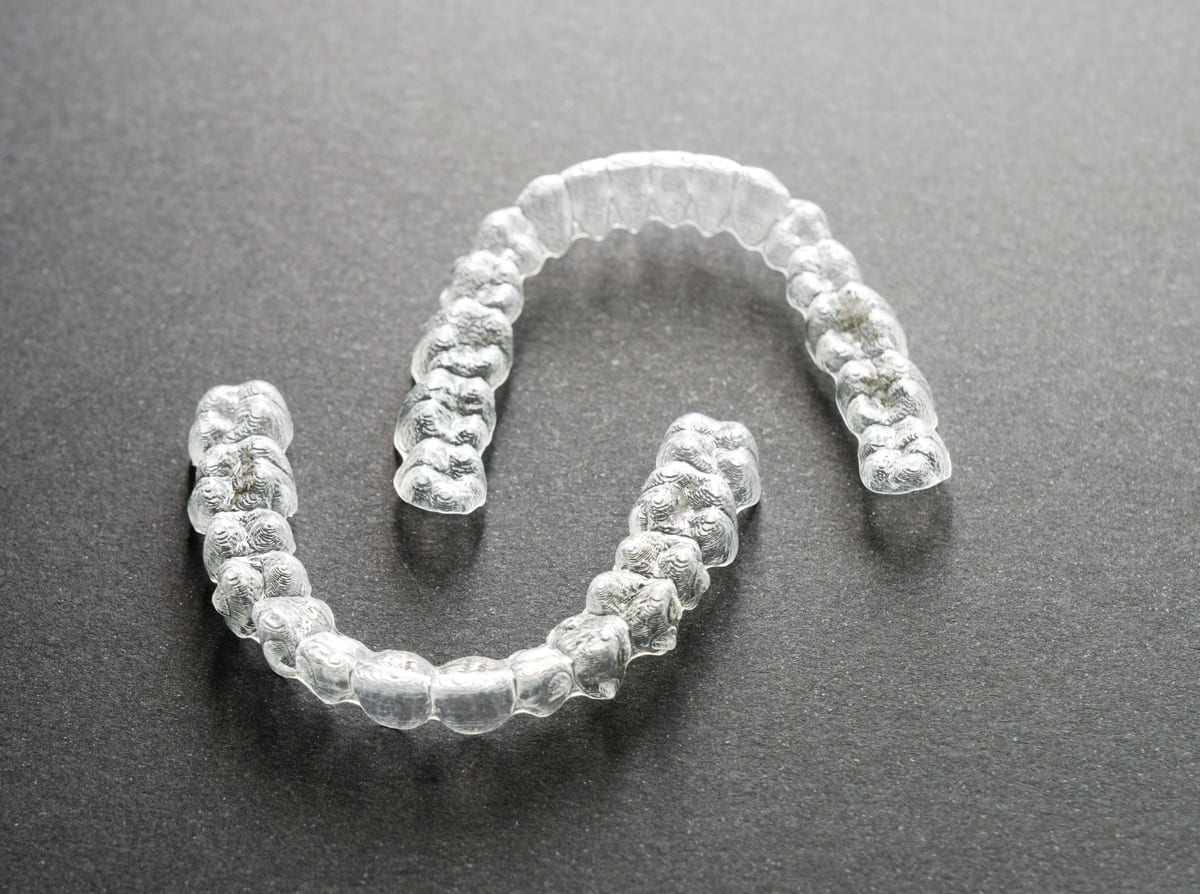
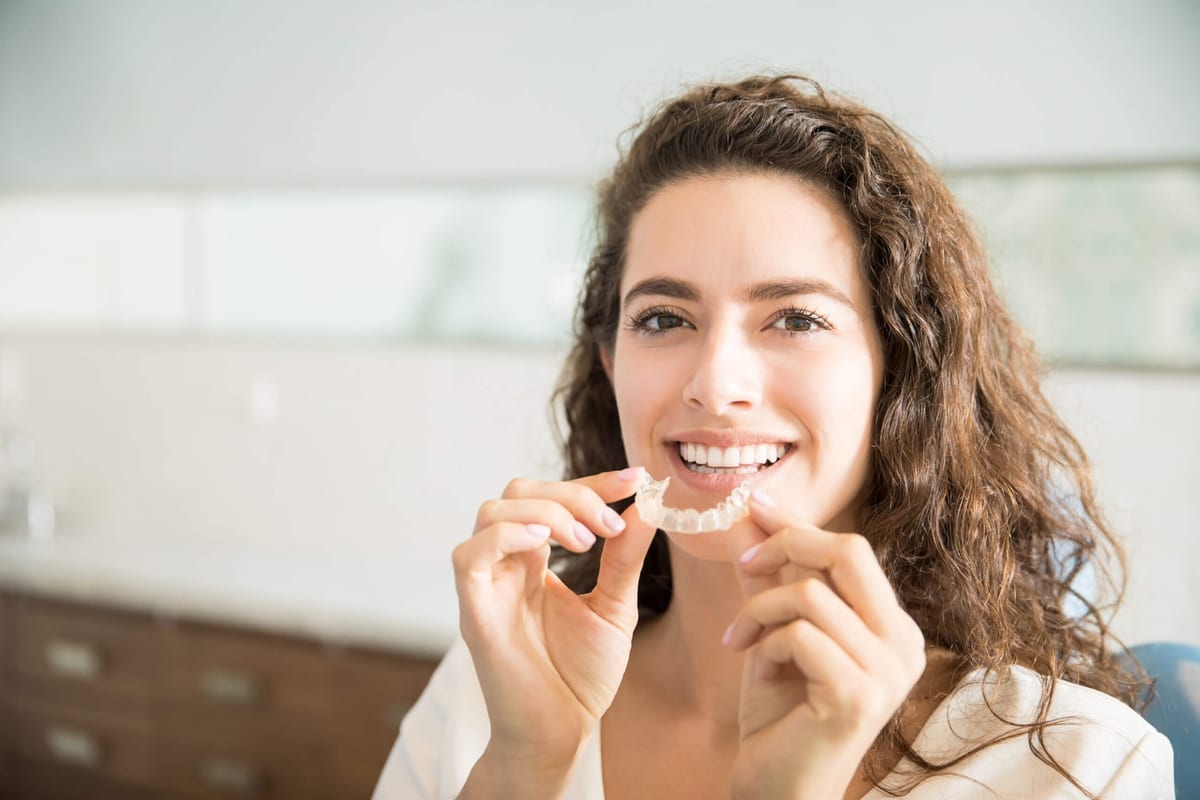
Removable retainers are similar in appearance to your Invisalign aligners. They slip on and off easily. You wear them at night and store them in a case during the day. They are easy to clean and comfortable for most patients.
Fixed retainers are thin wires bonded behind your front teeth. They are invisible from the outside. They work around the clock without any effort on your part. Some patients receive both types for maximum protection.
Each option has advantages depending on your bite, lifestyle, and history of compliance. Your dentist will walk you through the best plan during your post-treatment visit at Newton Dental Studio.
How Long Do You Need to Wear a Retainer in Newton?
This is the question most patients ask first. The short answer is: longer than you might expect. The long answer depends on your age, the complexity of your case, and how your teeth respond after treatment.
Here is a general timeline most patients follow:
- First 3–6 months: Wear your retainer full-time, removing only to eat and brush
- Months 6–12: Transition to nighttime-only wear as directed by Dr. Davidson
- Year 1 and beyond: Continue nightly wear indefinitely for lasting results
Many orthodontic professionals now recommend retainer wear for life. That sounds dramatic, but nighttime wear becomes a simple habit quickly. Most long-term patients barely notice it.
If your retainer breaks or no longer fits, contact Newton Dental Studio promptly. A gap in retention — even a short one — can allow shifting to begin.
Caring for Your Retainer and Your Smile
A retainer only works if you maintain it properly. Damaged or warped retainers do not hold teeth effectively. Proper care extends the life of your device and keeps your smile on track.
Follow these tips to keep your retainer in top condition:
- Rinse your retainer with cool water every time you remove it
- Brush it gently with a soft toothbrush — avoid toothpaste, which can scratch
- Store it in its case whenever it is not in your mouth
- Never expose it to heat — hot water or a car dashboard can warp the plastic
- Bring it to every dental check-up so Dr. Davidson can check the fit
Your overall oral health also supports your retention results. Regular cleanings, proper brushing, and addressing any dental concerns promptly all contribute to a stable smile. If you ever need restorative work such as Dental Crowns Newton, Dr. Davidson will factor in your retention plan when designing your treatment.
For patients with more complex restorative needs, options like Dental Implants Newton can complement your post-Invisalign smile. Your care plan is always tailored to your full picture of oral health.
Working With Dr. Davidson During the Retention Phase
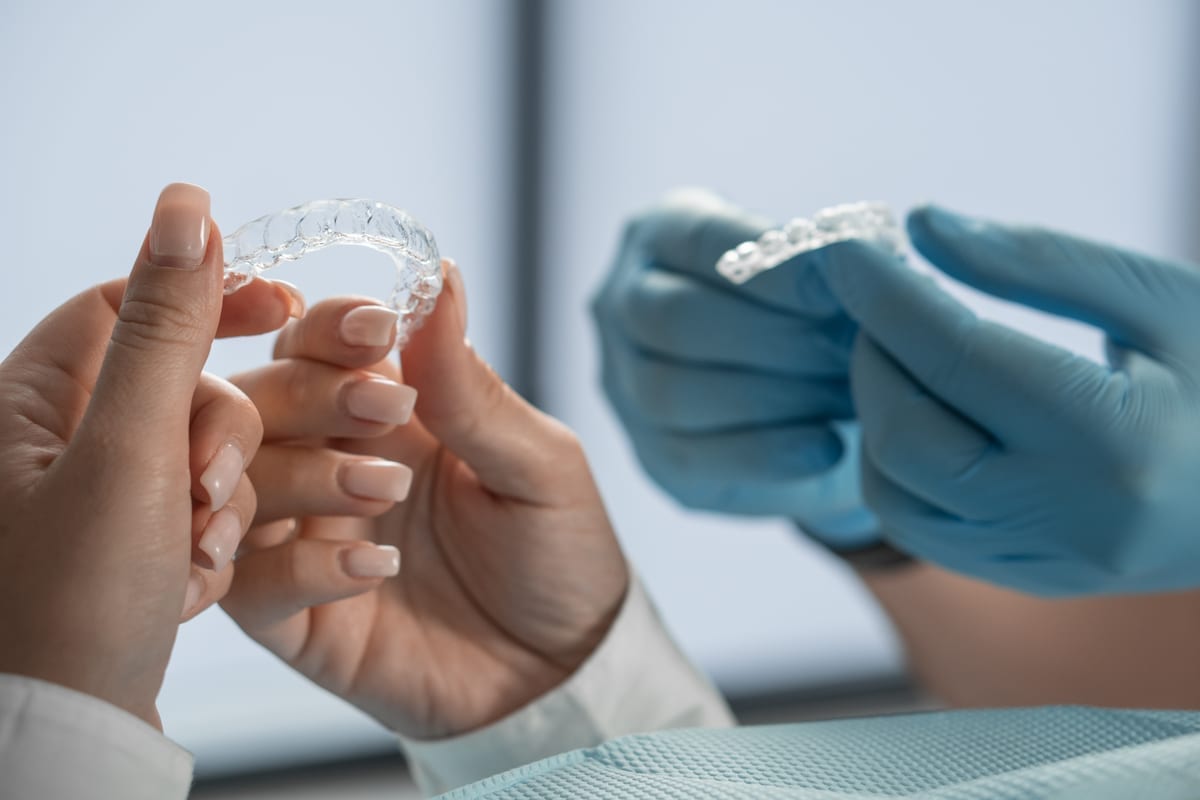
Post-treatment monitoring matters. Dr. Davidson schedules follow-up visits to check your retainer fit and confirm your teeth are holding position. These appointments are short but essential.
Life gets busy. Retainers get left behind on trips. Some patients lose them and delay replacement. Newton Dental Studio makes it easy to get back on track without judgment. The goal is always to protect the results you worked hard to achieve.
If you notice your retainer feels tight after not wearing it, that tightness means movement has occurred. Wear it as directed and call the practice if the discomfort persists. A tight retainer is a warning sign — not something to push through on your own.
Conclusion: Protect Your Smile for the Long Term
Finishing your aligner trays is a milestone worth celebrating. But your Invisalign journey isn’t over when treatment ends in Newton — the retention phase is what makes your results permanent. Retainers are not optional extras. They are the final and ongoing step of successful orthodontic care.
Dr. Bo Davidson and the team at Newton Dental Studio are here to guide you through every phase of your smile journey. From your first aligner to your long-term retention routine, you have a dedicated partner in your corner. Book Now to schedule your appointment with our team.
Frequently Asked Questions
Do I really need to wear a retainer forever after Invisalign?
Most dental professionals recommend indefinite nighttime retainer wear. Teeth naturally shift throughout life due to aging, jaw changes, and daily forces like chewing. Nightly wear is a simple habit that protects your results long-term. Dr. Davidson will give you a specific timeline based on your individual case.
What happens if my retainer breaks or gets lost?
Contact Newton Dental Studio as soon as possible. Even a short gap in retention can allow teeth to begin shifting. Dr. Davidson can fit you with a replacement retainer quickly. Do not wait — the longer you go without a retainer, the more movement may occur.
How do I know if my retainer still fits correctly?
Your retainer should feel snug but not painful. If it feels tight or difficult to insert, it may no longer fit properly. Bring it to your next dental visit so Dr. Davidson can assess the fit. A retainer that does not fit well is not protecting your teeth effectively.
Can I wear my last Invisalign aligner as a retainer?
Your final aligner tray is not designed for long-term retention. It is made from a thinner, less durable material than a dedicated retainer. Using it as a retainer can cause it to wear down quickly. Dr. Davidson will provide or recommend a proper retainer specifically designed for the retention phase.
How often should I come in for post-Invisalign check-ups in Newton?
Dr. Davidson typically recommends a check-up within the first few weeks after treatment ends. Follow-up visits are then scheduled based on your individual retention needs. Regular dental cleanings every six months also allow the team to monitor your retention and overall oral health at the same time.