
Many Newton patients leave a cleaning expecting brighter, whiter teeth. Understanding what your dental cleaning can and cannot remove in Newton helps you set realistic expectations. A professional cleaning does a lot of good — but it has clear limits. Knowing those limits helps you plan the right next steps for your smile.
What a Professional Dental Cleaning Actually Does
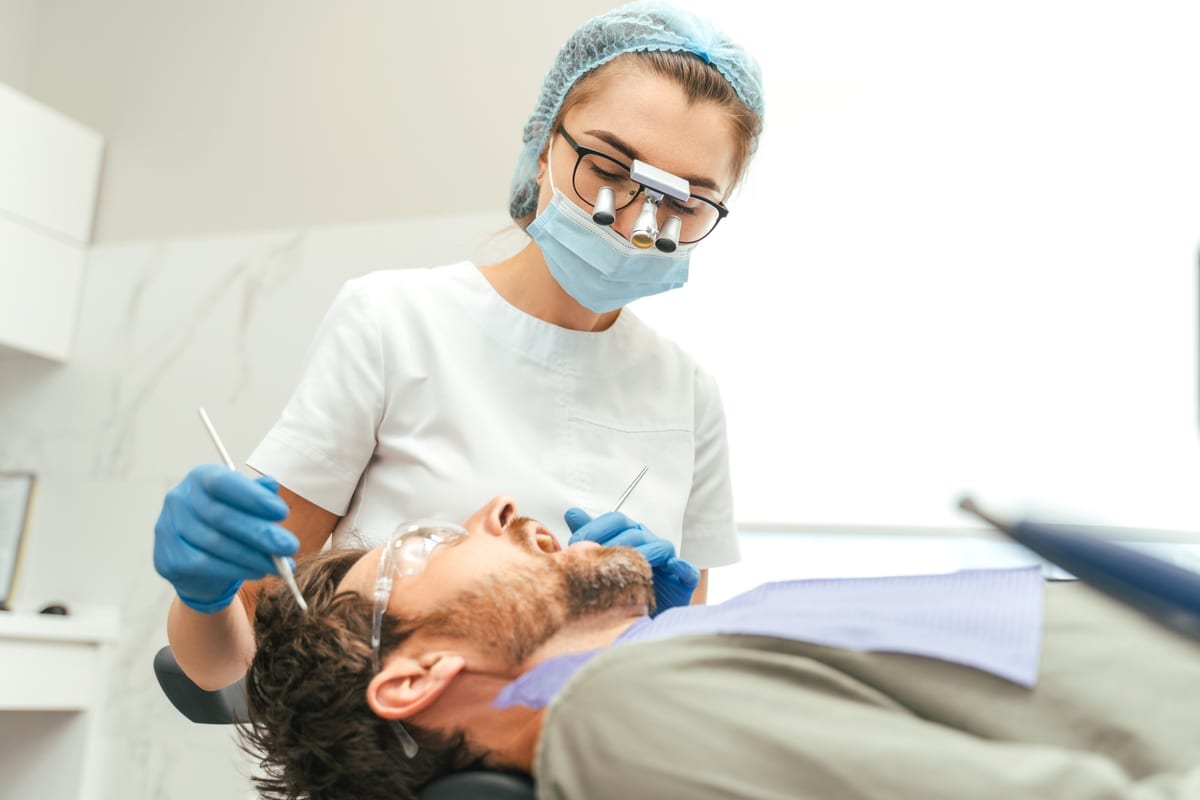
A dental cleaning focuses on removing plaque and tartar buildup from your teeth. Plaque is a soft, sticky film of bacteria. When it hardens, it becomes tartar — and only a dental professional can remove tartar safely. Dr. Bo Davidson and the team at Newton Dental Studio use specialized tools to clear this buildup thoroughly.
During your cleaning, a hygienist also polishes your teeth using a mildly abrasive paste. This polishing step does remove some surface stains. However, it is not the same as a whitening treatment. The distinction between cleaning and whitening is important for every patient to understand.
- Removes soft plaque deposits from tooth surfaces
- Eliminates hardened tartar that brushing cannot reach
- Polishes away light surface discoloration
- Freshens breath by reducing bacterial buildup
- Allows your dentist to spot early signs of decay or gum disease
Which Surface Stains a Cleaning Can Remove in Newton
Surface stains — called extrinsic stains — sit on the outer layer of the tooth. These are the stains a cleaning can realistically address. They tend to build up from daily habits and lifestyle choices over time.
Common sources of extrinsic staining include coffee, tea, red wine, and tobacco use. The polishing paste used during your cleaning gently buffs these away. If the staining is light and recent, your teeth may look noticeably brighter after your visit. Many Newton patients are pleasantly surprised by how much fresher their smile looks after a thorough cleaning.
- Light coffee or tea stains on tooth enamel
- Mild tobacco-related surface discoloration
- Food-based staining from berries, sauces, or dark beverages
- Plaque-related yellowing near the gumline
Staying consistent with your cleaning schedule helps keep these stains from accumulating. Most adults benefit from a cleaning every six months. Your hygienist can advise whether your habits require more frequent visits.
What a Cleaning Cannot Remove — and Why Whitening Matters
Not all tooth discoloration lives on the surface. Intrinsic stains develop inside the tooth structure itself. These stains do not respond to polishing paste or scaling tools. No amount of scrubbing during a routine cleaning will lift them.
Intrinsic discoloration has several common causes. Aging naturally darkens teeth from the inside out. Certain medications, especially tetracycline antibiotics taken during childhood, can cause deep gray or yellow banding. Trauma to a tooth can also cause internal darkening over time.
This is where professional teeth whitening becomes the right solution. Whitening treatments use peroxide-based agents to penetrate the enamel and break apart deep stain molecules. Dr. Davidson can help you choose between in-office whitening or take-home trays based on your specific needs.
It is also worth noting that dental restorations do not respond to whitening or cleaning in the same way. Dental Crowns Newton patients rely on are made from ceramic or other materials that resist staining — but they also will not change color with whitening treatments. Knowing this ahead of time helps you plan your smile goals more accurately.
How to Know If You Need Whitening After Your Cleaning
After your cleaning, take a close look at your teeth in good lighting. If they still appear yellow, gray, or uneven in color, whitening may be the right next step. A cleaning reveals your true baseline tooth color. That baseline is your starting point for any cosmetic improvement.
Dr. Davidson recommends discussing your smile goals during your cleaning appointment. This allows the team to evaluate your current shade and recommend the most effective approach. Some patients are great candidates for in-office whitening. Others may benefit from a full Smile Makeover plan that addresses multiple concerns at once.
For patients who have received Dental Implants Newton trusts, it is important to understand that implant-supported crowns will not whiten. Coordinating whitening treatment before implant placement ensures a consistent color match throughout your smile.
Here are a few signs that whitening may be worth exploring after your next cleaning:
- Teeth still appear dull or yellow after polishing
- Discoloration is present on multiple teeth evenly
- Surface stains return quickly between cleanings
- You feel self-conscious about your tooth color in photos or conversations
Tips for Maintaining Your Results Between Cleanings
Whether you stick with regular cleanings or add whitening to your plan, maintenance matters. Certain daily habits significantly slow down stain buildup. Small changes in your routine can make a noticeable difference over time.
Rinsing with water after drinking coffee or tea helps wash away pigment before it settles. Using a straw reduces direct contact between dark beverages and your enamel. Brushing twice daily with a whitening toothpaste can help maintain surface brightness. Avoiding tobacco is one of the most impactful steps you can take for both aesthetics and oral health.
Seeing Dr. Davidson at Newton Dental Studio on a regular schedule keeps your baseline clean and your hygienist informed. Consistent professional care makes it easier to catch changes early and adjust your approach as needed.
Conclusion
Understanding what your dental cleaning can and cannot remove in Newton empowers you to make smarter decisions about your smile. Cleanings are essential — they remove tartar, polish away surface stains, and protect your overall oral health. But they are not whitening treatments, and they cannot change intrinsic discoloration. Knowing the difference helps you have realistic expectations and plan the right treatments for your goals. Dr. Bo Davidson and the Newton Dental Studio team are here to guide you every step of the way. Book Now to schedule your appointment with our team.
Frequently Asked Questions
Will my teeth be noticeably whiter after a dental cleaning?
Your teeth may look cleaner and slightly brighter after polishing, but a cleaning is not a whitening treatment. It removes surface stains and tartar buildup. If your discoloration is deeper than the enamel surface, you will likely need a dedicated whitening treatment to see a significant color change.
How often should I get a dental cleaning in Newton?
Most adults benefit from a professional cleaning every six months. However, patients with gum disease, heavy staining, or other risk factors may need more frequent visits. Dr. Davidson will recommend a schedule that fits your specific oral health needs during your appointment.
Can whitening treatments damage my enamel?
Professional whitening treatments recommended by a dentist are generally safe for healthy enamel. Over-the-counter products used incorrectly can sometimes cause sensitivity or irritation. Consulting Dr. Bo Davidson before starting any whitening regimen ensures you choose the safest and most effective option for your teeth.
What is the difference between surface stains and intrinsic stains?
Surface stains, called extrinsic stains, sit on the outer layer of the tooth and can be polished away during a cleaning. Intrinsic stains develop inside the tooth structure and require professional whitening agents to address. Aging, certain medications, and past dental trauma are common causes of intrinsic discoloration.
Will whitening work on crowns or veneers?
Whitening treatments do not change the color of dental restorations like crowns or veneers. These materials are designed to resist staining but will not lighten with peroxide-based whitening agents. If you are planning whitening alongside restorative work, Dr. Davidson recommends whitening your natural teeth first to ensure a consistent color match.