
Living with diabetes can present challenges, especially when it comes to your health. Oral health, in particular, is often affected by diabetes, making it more difficult to keep teeth and gums in optimal condition. If you’re considering dental implants, you may be wondering how your diabetes could affect your treatment and whether you’re a suitable candidate for the procedure. It’s crucial to understand how diabetes interacts with dental implants to ensure a successful outcome.
This blog will walk you through the connection between diabetes and dental implants, including the potential risks and necessary precautions for diabetic patients. Whether you’re managing your blood sugar levels or navigating other health concerns, understanding the relationship between your condition and dental care will help guide your decision-making process.
What Are Dental Implants and Why Are They Popular?
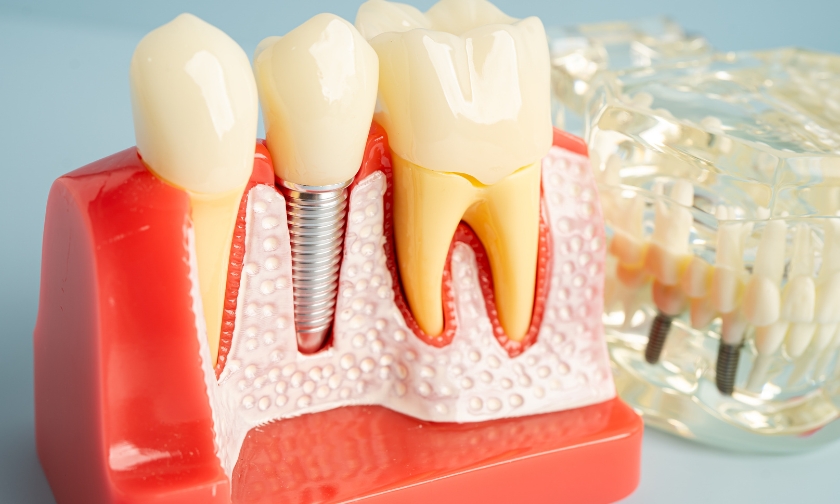
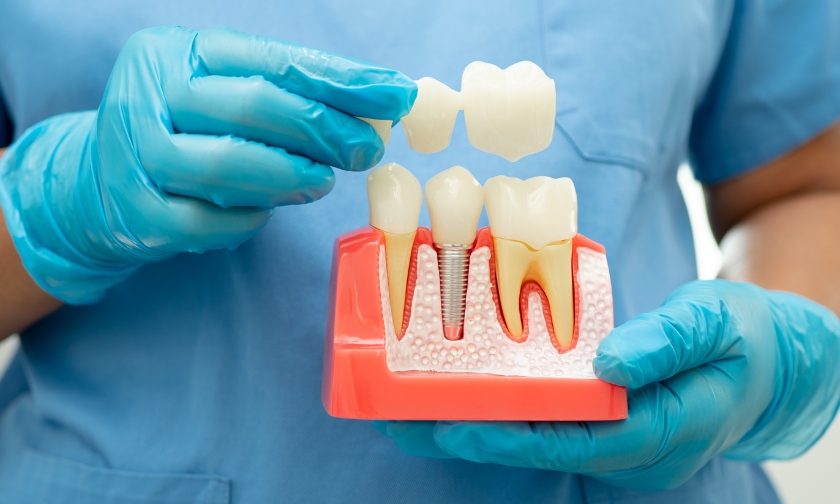
Dental implants are a modern solution for replacing missing or damaged teeth, offering a permanent and natural-looking alternative to dentures and bridges. The procedure involves placing a titanium post into the jawbone, which acts as a root for a crown that mimics a natural tooth.
The popularity of dental implants in Newton stems from their durability and function. Unlike removable dentures, implants provide a stable, permanent solution that feels and functions just like natural teeth.
They improve not only your appearance but also your ability to chew and speak comfortably. Dental implants are also more reliable over time, with many patients enjoying their restored smile for decades with proper care.
How Diabetes Affects Oral Health and Implant Success
Diabetes can significantly impact your oral health, often leading to gum disease, dry mouth, and slower healing times. For patients with diabetes, maintaining healthy gums is essential, as high blood sugar levels can impair the immune system and make it harder to fight infections. This increases the risk of complications during dental procedures, including dental implants.
One of the key challenges for diabetic patients when getting implants is the slower healing process. Diabetes can reduce the body’s ability to heal properly, affecting how the implant integrates with the jawbone, a process known as osseointegration.
Successful osseointegration is essential for the implant to become firmly attached to the bone and function like a natural tooth. Therefore, managing blood sugar levels before and after the procedure is crucial to reducing the risk of infection and ensuring the implant integrates properly.
Success Rates of Dental Implants for Diabetic Patients
Dental implants have a high success rate in the general population, typically around 95%. However, diabetes can affect these success rates. For diabetic patients, the success rate may be slightly lower, particularly if their blood sugar levels are poorly controlled. Studies suggest that with proper diabetes management, the success rate for implants can still be excellent, with many diabetic patients achieving long-term success.
The challenges diabetes presents, such as a weakened immune system and delayed healing, can increase the risk of complications like infection or implant failure. However, with proper preparation and post-operative care, many people with diabetes successfully receive dental implants. Collaborating closely with your dentist and healthcare provider is crucial to achieving a positive outcome.
Precautions and Recommendations for Diabetic Patients Considering Implants
Before opting for dental implants, it’s essential to manage your diabetes effectively. Stable blood sugar levels are the foundation of a successful implant procedure. Be sure to work closely with your healthcare provider to ensure your blood sugar is well-controlled leading up to your surgery. If necessary, your dentist may request a physical exam or lab tests to assess your overall health before proceeding.
After the procedure, maintaining good oral hygiene and keeping your blood sugar levels stable will be key to the healing process. Regular dental check-ups will help monitor the implant’s progress and catch any issues early. Additionally, consider avoiding tobacco and alcohol, as they can interfere with healing and increase the risk of complications.
Working together with your dental team and physician is vital in ensuring a smooth recovery and long-lasting results. It’s also important to follow any specific instructions your dentist provides, as these will be tailored to your individual health needs.
How to Improve Implant Success for Diabetic Patients
To improve the success of dental implants, effective diabetes management is essential. Maintaining your blood sugar levels within the recommended range can significantly reduce the risk of complications. Monitoring your blood sugar regularly, particularly during the healing process, will help ensure optimal conditions for the implant to heal and integrate properly.
In addition to diabetes management, maintaining excellent oral hygiene is crucial. Brush and floss regularly to keep your gums and teeth healthy. Regular cleanings at your dentist’s office are also recommended to prevent any infections or gum disease that could threaten the success of your implants. Scheduling frequent follow-up appointments is essential to ensure that everything is progressing smoothly.
By staying proactive in managing your health, you’ll increase the likelihood of successful and lasting dental implants, allowing you to enjoy a functional and beautiful smile.
In summary, while diabetes can pose challenges for dental implant patients, proper management and collaboration with your healthcare providers can ensure a successful outcome. Diabetic patients can enjoy the many benefits of dental implants by taking the necessary precautions and following all pre- and post-treatment instructions carefully.
If you’re a resident of Newton and have concerns about how diabetes may affect your dental implant procedure, don’t hesitate to schedule a consultation with our team at Newton Dental Studio. We are here to guide you through the process, offering personalized care tailored to your needs. Contact us today and take the first step toward a healthier, confident smile!
FAQs
Can a diabetic patient have multiple implants?
Yes, if diabetes is well-controlled and the patient follows proper care instructions, it’s possible for diabetic patients to have multiple implants.
Can stress from dental implant surgery affect blood sugar levels?
Yes, stress can cause fluctuations in blood sugar levels, so it’s important to manage stress and work with your healthcare team before and after surgery.
Can diabetes cause tooth loss that requires implants?
Yes, untreated diabetes can lead to gum disease, which may result in tooth loss, making dental implants a necessary solution for many diabetics.
What role does diet play in dental implant success for diabetics?
Maintaining a balanced diet helps control blood sugar levels, promote healing, and ensure the body has the nutrients needed for tissue regeneration.
How often should diabetics get check-ups after dental implants?
Diabetic patients should have regular follow-ups, typically every 3-6 months, to monitor healing and ensure the implant is functioning properly.