
Just imagine you’ve just had dental implants placed and you’re anxious to see your new smile. But what happens next? What’s happening right underneath the surface? While you wait for your permanent restoration, knowledge of the process can help provide some peace of mind.
After implant placement, the real magic happens in a process called osseointegration. This process ultimately plays a role in your dental implants being successful. It’s the part where the implant becomes one with your own jawbone, providing stability and working order.
Knowing about osseointegration is important for having realistic expectations and being aware of what to expect as you heal. In this post, we’ll delve into this interesting procedure and explain how it plays a part in the long-term outcomes of your implants.
What Is Osseointegration?
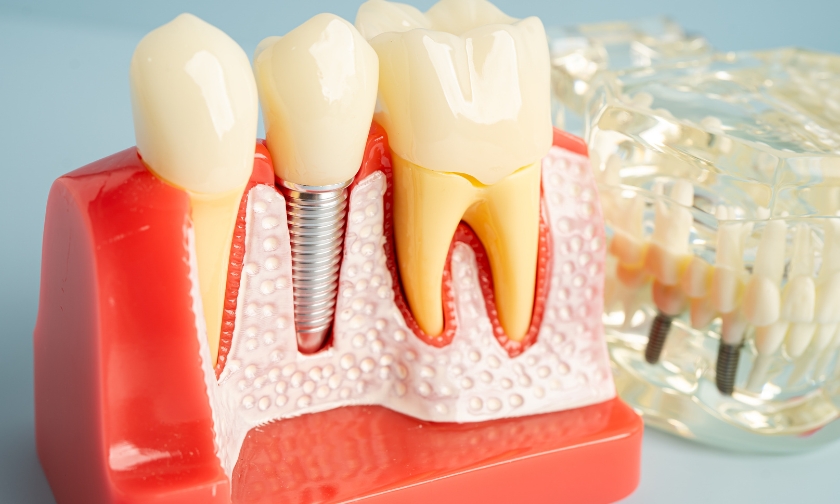
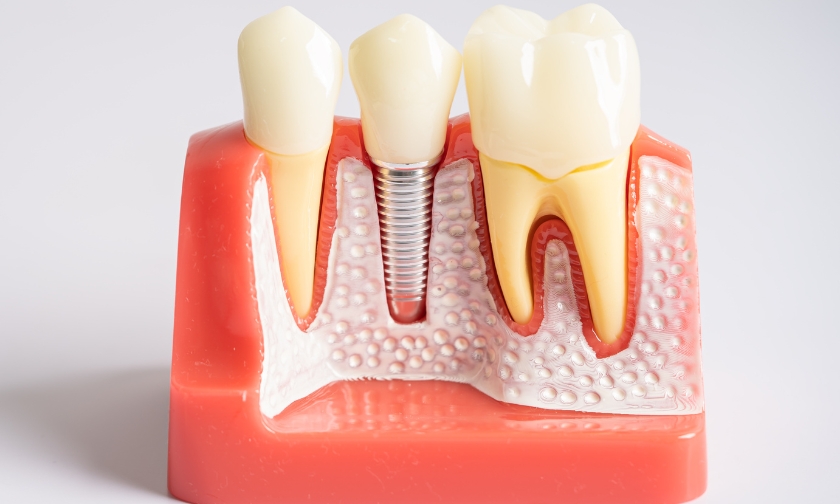
Osseointegration is the biological process by which a dental implant fuses with the jawbone, creating a stable foundation for your new tooth. Unlike temporary solutions like dentures, implants are designed to mimic the natural tooth root, allowing for a strong and permanent bond with the bone.
The process works as your jawbone cells grow around the titanium post of the implant, securing it in place. Over time, this connection strengthens, making the implant function just like a natural tooth root. The osseointegration process is essential because it stabilizes the implant, ensuring it doesn’t move or shift when you eat or speak.
For dental implants in Newton to be successful in the long term, they rely heavily on a good osseointegration process. Without it, the implant could fail, leading to discomfort and potential failure. That’s why this process is not only critical in the immediate healing phase but also crucial for the longevity and functionality of your implant.
The Phases of Osseointegration
Osseointegration doesn’t happen overnight. It’s a gradual process that can take several months. Here’s a breakdown of what happens during each phase:
Phase 1: Initial Healing and Bone Formation (First Few Weeks)
Immediately after the implant is placed, your body starts the healing process. A blood clot forms around the implant, protecting the area and allowing for the initial healing. This phase lasts for a few weeks, and while it’s essential for the foundation of the implant, you may not notice much happening beneath the surface.
Phase 2: Bone Growth and Integration (Months 1-3)
During this phase, the real action begins. Your jawbone starts to grow around the titanium implant. Osteoblasts (bone-forming cells) begin to surround the implant, initiating the fusion process. Over the next couple of months, this bond becomes stronger, and the implant begins to feel more stable.
Phase 3: Full Integration (3-6 Months)
The final phase is when the implant becomes fully integrated with your bone. This phase can take up to six months, depending on individual factors like bone quality and overall health. By the end of this period, the implant is securely in place and ready for the next step: placing the crown or prosthetic tooth.
Factors That Influence Osseointegration
While osseointegration is a natural process, several factors can influence how smoothly it progresses:
Patient’s Health and Bone Quality
For osseointegration to be successful, you need healthy bone tissue to support the implant. If you have weakened bone density due to conditions like osteoporosis or periodontitis, your implant may face challenges. In some cases, bone grafting may be needed to ensure the implant has a solid foundation.
Implant Placement Technique
The precision with which your dentist places the implant also plays a significant role in osseointegration. The implant must be positioned properly to ensure it heals and bonds with the bone correctly. Choosing a professional dentist who uses advanced technology can improve the chances of successful osseointegration.
Lifestyle Factors
Habits like smoking, poor diet, and inadequate post-operative care can slow down the healing process and affect osseointegration. Smoking, in particular, reduces blood flow to the gums, slowing down recovery and increasing the risk of infection. Maintaining a healthy lifestyle and following post-op instructions carefully can help ensure a smoother healing process.
What Happens After Osseointegration?
Once osseointegration is complete, the next steps involve attaching the permanent restoration to the implant. This is when your custom crown or prosthesis is placed, completing the process. Your dentist will ensure that your new teeth fit comfortably and function just like natural teeth.
Long-Term Care and Maintenance
Even after osseointegration is complete and your implant is restored, proper care is crucial to its longevity. Regular dental check-ups, cleanings, and good oral hygiene habits will help ensure your implant remains healthy. Avoiding excessive pressure on the implant (e.g., by grinding your teeth) is also important.
Potential Complications to Watch For
While osseointegration is a robust process, complications can arise. Infection, implant failure, or insufficient bone growth may cause issues. It’s essential to follow your dentist’s instructions, maintain good oral hygiene, and avoid smoking to minimize risks.
Why Osseointegration Is the Key to Implant Longevity
Osseointegration is the cornerstone of dental implant success. Without it, implants would lack the stability and strength they need to function like natural teeth. As dental implant technology continues to improve, so does our understanding of osseointegration. In the future, we may see even faster healing times and more effective techniques to promote bone growth around implants.
With proper osseointegration, dental implants in Newton can last a lifetime, providing a permanent and reliable solution for missing teeth. For those looking to restore their smile, dental implants offer the best combination of function, appearance, and longevity.
Osseointegration is a vital part of the dental implant process, ensuring that your implant heals securely and functions effectively for years to come. Understanding the phases of this process and what to expect can help you manage your recovery and maintain your implant’s longevity.
If you’re considering dental implants and want to know more about how osseointegration works, we at Newton Dental Studio are here to help. Contact us today for a personalized consultation, and let us guide you through the process of restoring your smile with dental implants.
FAQs
How long do dental implants last after osseointegration?
With proper care, dental implants can last for decades, with many lasting a lifetime. Regular dental visits and good hygiene practices are essential for longevity.
Will my implant ever feel like a natural tooth?
Yes, once osseointegration is complete and the restoration is placed, your implant will function and feel like a natural tooth.
How do I know when osseointegration is complete?
Your dentist will confirm full osseointegration through clinical evaluation and X-rays, ensuring the implant is securely integrated with the jawbone.
Can I resume normal activities during the healing process?
You should avoid intense physical activities, especially those that involve contact sports, to reduce the risk of implant displacement.
Can I get a crown or prosthesis before osseointegration is complete?
No, you must wait for full osseointegration to ensure the implant is securely integrated with the bone before attaching the final restoration.