
It’s no longer a secret that losing a tooth changes how you chew, how you speak, and over time, even the shape of your jaw. Yet many people postpone treatment – partly because they’re not sure what the process entails, and partly because the questions piling up in their heads feel too big to tackle.
Dr. Bo Davidson at Newton Dental Studio comes across those questions every day. The most common ones tend to circle around the same few topics: how much does it cost, how long does it take, and how much does it hurt? Those answers deserve a straightforward, honest look, and so do the real, lasting benefits that make this procedure worth considering.
Why So Many Patients Choose This Path
Tooth replacement has come a long way. Bridges and dentures have their place, but they work around the problem rather than solving it at the root. A bridge requires trimming the adjacent healthy teeth to provide support. Dentures rest on top of the gum and do nothing to prevent the bone loss that begins the moment a tooth is gone. Research shows dental bridges have failure rates as high as 20% within three years and up to 50% at ten years, while removable dentures typically need relining or replacement every five to seven years.
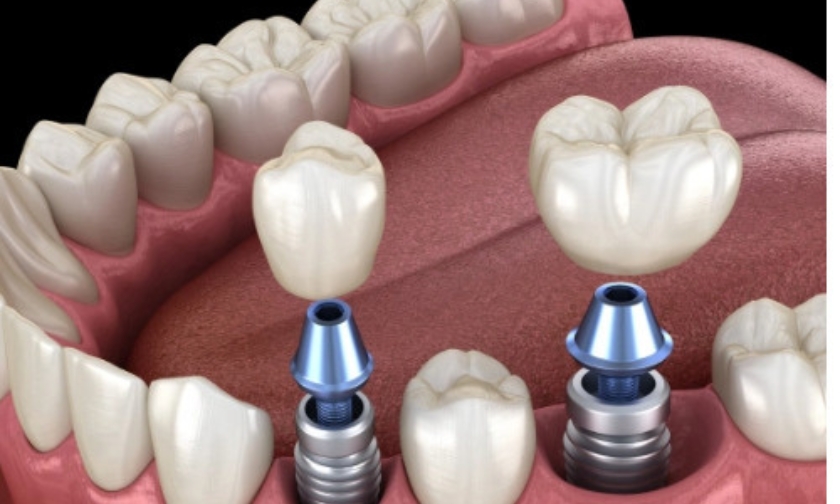
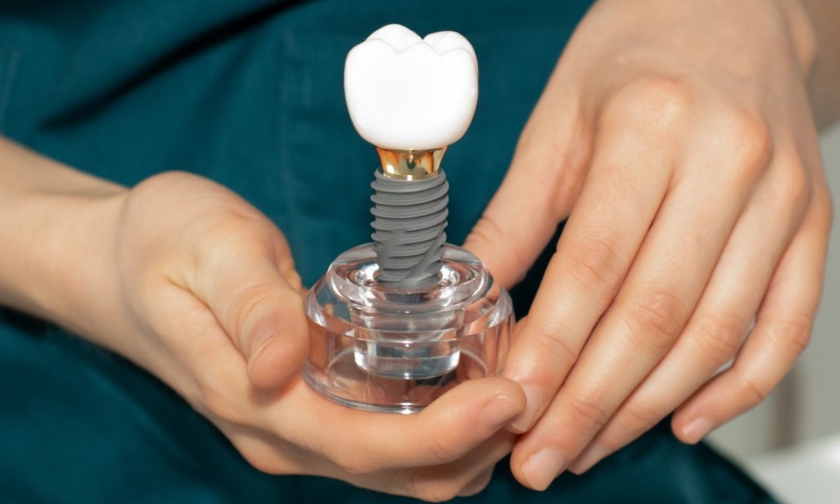
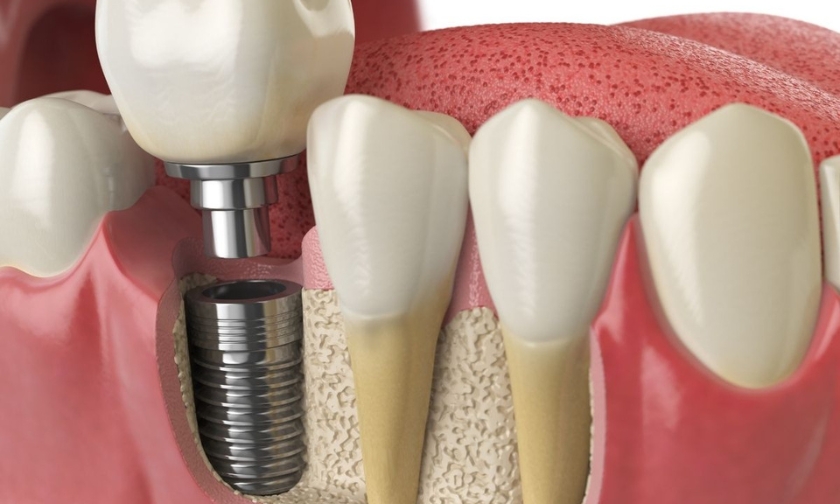
Dental implants take a different approach entirely. A titanium post is placed directly into the jawbone, acting as an artificial tooth root. The bone fuses to it over time through a process called osseointegration, and once that healing is complete, a crown is attached on top. The result looks, functions, and feels like a natural tooth because it’s anchored the same way a natural tooth is.
Implants are the only tooth-replacement option that stimulates the jawbone, preventing bone loss and deterioration. That single fact changes the long-term health picture for patients who’ve lost a tooth, because untreated bone loss reshapes the jaw and can eventually affect neighboring teeth.
What the Process Looks Like, Step by Step
One of the things that makes people hesitant is not knowing what they’re committing to. Dr. Bo walks every patient through the full picture before anything begins, and it’s worth laying out here as well.
The process starts with the foundation. Before an implant can be placed, the jawbone needs to be solid enough to support it. Some patients already have that bone density. Others who’ve been missing a tooth for a long time may need a bone graft first to rebuild the site. This is a common step, not a complication, and it simply adds some time to the overall timeline.
Once the bone is ready, the implant post is placed into the jaw at the site of the missing tooth. The next phase is healing. The bone needs time to fully integrate around the implant, which typically takes three to six months. After that, a follow-up evaluation confirms the implant has healed properly, and the crown is placed on top. From that point forward, you have a functional tooth where your natural one used to be.
How Long Does the Whole Process Take?
The honest answer is: it varies. For patients who don’t need a bone graft and have good bone density, the entire process from implant placement to final crown can take as little as three to four months. For others who need additional preparation, including bone grafting or an extraction beforehand, the timeline can extend closer to a year. Neither outcome is unusual, and both lead to the same result.
Does It Hurt?
This is the question that makes many people hesitate, and it deserves a direct answer. The implant procedure is done under local anesthesia, so you shouldn’t feel pain during the placement itself. What surprises many patients is what comes after.
As Dr. Bo puts it, most people find recovery from a dental implant easier than from having a tooth pulled. Over-the-counter pain relievers like ibuprofen or acetaminophen are sufficient for most patients, and some report very little discomfort. The fear of the process is often worse than the process itself.
Hear It From Dr. Bo Directly
Want a quick, simple overview of the implant process? Dr. Bo covers the most common patient questions – cost factors, timeline, pain, and candidacy in a short video that’s worth watching before your first appointment.
Who Is a Good Candidate?
The majority of adults who’ve lost a tooth are candidates for implants, but a few health factors are worth discussing with your dentist beforehand.
- Gum health: Active gum disease needs to be treated before implant placement. Healthy tissue around the implant site is essential for long-term success.
- Bone density: As mentioned, patients with significant bone loss may need grafting first, but that doesn’t disqualify anyone outright.
- Smoking: Tobacco use is one of the biggest risk factors for implant complications. Research consistently links cigarette smoking with higher implant failure rates. That said, smokers aren’t automatically ruled out – it just means the conversation around expectations and healing needs to be more thorough.
- Diabetes: Poorly controlled diabetes can slow healing and increase complication risk, but well-managed diabetes does not necessarily prevent a successful outcome. The key is to set realistic expectations and potentially adjust the monitoring schedule.
If you’re unsure whether you’re a candidate, the best first step is a consultation where Dr. Bo can assess your bone structure, gum health, and overall situation directly.
The Benefits That Last
Beyond the clinical data, what implant patients consistently describe is a restoration of ordinary life. Eating without restriction. Speaking without self-consciousness. Smiling without thinking about it. These are the things that matter to people day to day, and they’re exactly what a well-placed implant restores.
At Newton Dental Studio in Newton, KS, implant treatment is approached as a personalized process — not a standard procedure applied the same way to every patient. The diagnostic technology, including the Sirona Galileos CBCT system, enables precise imaging and planning before any treatment is performed. That level of preparation is part of what makes the difference between a procedure that succeeds and one that doesn’t.
The questions you have about dental implants won’t answer themselves, but a single conversation with Dr. Bo can answer most of them. Newton Dental Studio serves patients throughout Newton, Kansas, and the surrounding area, and consultations are designed to give you a clear picture of your dental condition before any decisions are made.
Request an appointment online or call (316) 799-0475 to get started.
People Also Ask
What happens to the jawbone if a missing tooth is never replaced?
When a tooth root is no longer present, the surrounding jawbone gradually resorbs because it no longer receives stimulation from chewing forces. Over time, this can alter the facial structure and compromise the stability of neighboring teeth.
Can an implant be placed the same day a tooth is extracted?
In some cases, yes – this is called immediate implant placement. Whether it’s appropriate depends on the condition of the socket, available bone, and infection risk. Not every extraction site is a good candidate for same-day placement.
How do I care for an implant differently from my natural teeth?
You don’t, for the most part. Brush twice daily, floss around the implant, and keep up with regular cleanings. The crown on top won’t decay like a natural tooth, but the gum tissue and bone around it still require the same care to stay healthy.
Is there an age minimum or maximum for getting implants?
Implants are generally not recommended until jawbone development is complete, which is typically in the late teens or early twenties. For older adults, age alone is not a disqualifying factor – overall health and bone quality matter far more than the number on a birth certificate.
What if the implant fails? Is it fixable?
Implant failure is uncommon but possible. In many cases, the site can be re-evaluated, bone grafted if necessary, and a new implant placed after healing. Whether that’s an option depends on the reason for failure and the condition of the surrounding tissue and bone.