
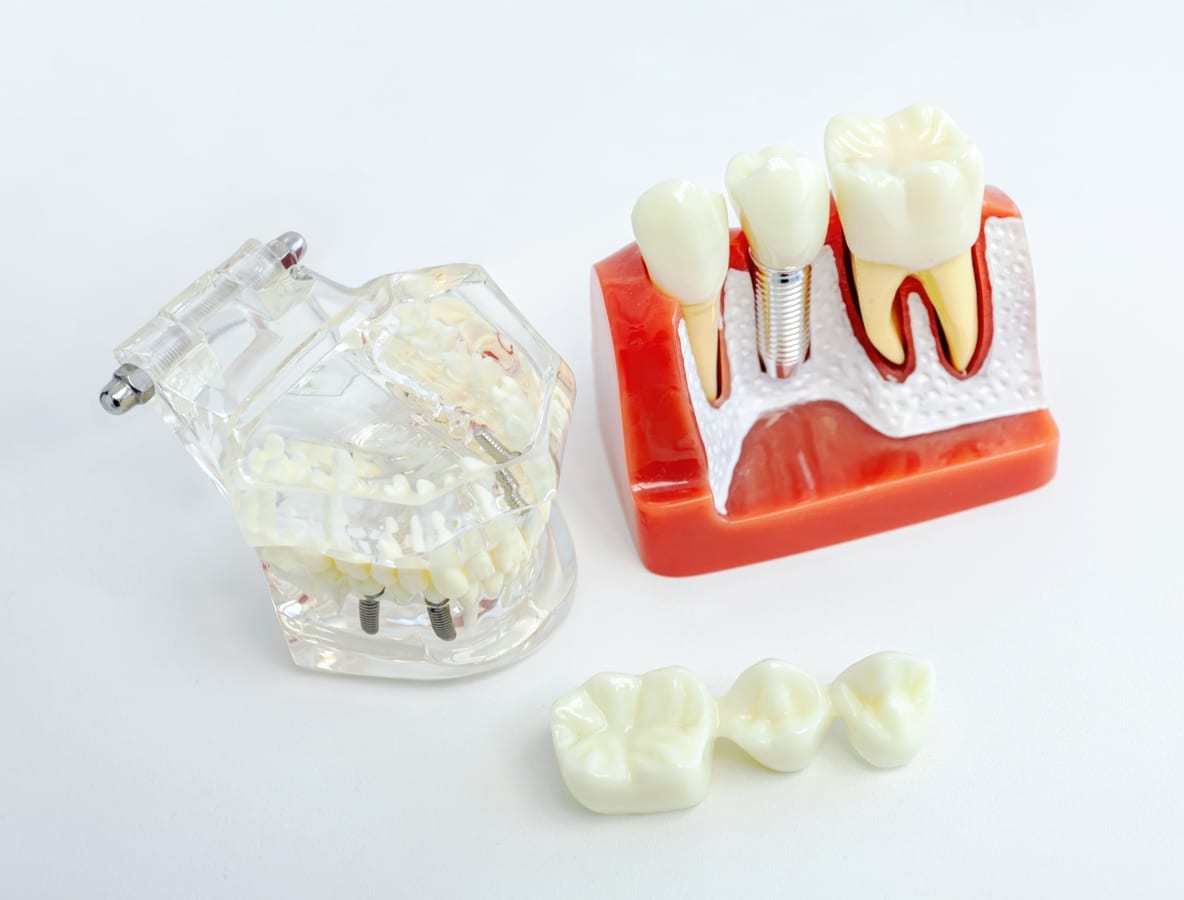
Understanding what to expect during your dental implant recovery in Newton can make the entire process far less stressful. Many patients feel anxious about the healing phase — and that’s completely normal. Dr. Bo Davidson and the team at Newton Dental Studio are here to walk you through every stage. Knowing what’s ahead helps you stay comfortable, confident, and on track for a beautiful result.
Dental implants are one of the most reliable tooth replacement options available today. However, the success of your implant depends heavily on how well you care for it during recovery. This guide covers the full healing timeline, what to eat, how to manage discomfort, and how to protect your investment long-term. Let’s make sure your recovery goes as smoothly as possible.
Your Dental Implant Recovery Timeline in Newton
Recovery from a dental implant placement happens in stages. Most patients experience the most noticeable symptoms during the first three to five days. Swelling, mild soreness, and some bruising are all completely expected during this window. Your body is working hard to begin integrating the implant into your jawbone.
By the end of the first week, most discomfort significantly improves. Many patients return to normal daily activities within two to three days. However, the deeper healing process — called osseointegration — takes much longer. The implant fuses with your jawbone over a period of three to six months.
Here is a general breakdown of what to expect at each stage:
- Days 1–3: Swelling and soreness peak. Rest as much as possible.
- Days 4–7: Symptoms begin to subside. Soft foods are still recommended.
- Weeks 2–4: Most patients feel nearly back to normal. Avoid hard or crunchy foods.
- Months 2–6: Osseointegration continues. Follow-up visits with Dr. Davidson are essential.
- Month 6+: Your crown or restoration is placed once healing is confirmed.
Every patient heals at a slightly different pace. Age, overall health, and oral hygiene all play a role. Dr. Davidson will monitor your progress and adjust your care plan as needed throughout your recovery.
What to Eat After Dental Implant Surgery
Your diet plays a critical role in how smoothly your implant recovery goes. Eating the wrong foods too soon can irritate the surgical site or even disrupt healing. The good news is that plenty of satisfying, nutritious foods are safe to enjoy right away. Focus on soft, easy-to-chew options during the first few weeks.
During the first few days, stick to foods that require little to no chewing. Think smoothies, yogurt, mashed potatoes, scrambled eggs, and soft soups. Avoid anything hot, spicy, or acidic immediately after surgery. These can irritate the healing tissue and slow recovery.
As healing progresses, you can gradually reintroduce more textures. By the end of the second week, many patients tolerate soft pastas, cooked vegetables, and fish without issue. Here are some helpful guidelines to keep in mind:
- Avoid hard, crunchy, or sticky foods for at least four to six weeks.
- Do not use a straw for the first 48 hours — suction can disrupt the clot.
- Stay well-hydrated with water throughout the day.
- Skip alcohol and tobacco products entirely during healing.
- Cut food into small pieces even as you reintroduce solid textures.
Dr. Davidson and our Newton team will provide personalized dietary guidance at your post-operative appointment. Following these recommendations protects the implant and supports faster, healthier healing.
Managing Discomfort During Your Recovery
Some level of discomfort after implant surgery is completely normal. Most patients describe it as mild to moderate soreness rather than sharp or severe pain. Dr. Davidson will recommend appropriate over-the-counter or prescription pain relievers before you leave the office. Taking them on schedule — rather than waiting for pain to spike — is usually most effective.
Swelling is one of the most common recovery symptoms. Applying an ice pack to the outside of your cheek in 20-minute intervals during the first 24 to 48 hours helps reduce it significantly. After the first two days, switch to gentle warm compresses if swelling persists. Keeping your head slightly elevated while resting also reduces swelling.
Here are a few additional comfort tips that our patients find helpful:
- Rinse gently with warm salt water starting 24 hours after surgery.
- Avoid vigorous rinsing or spitting for the first day.
- Sleep with your head propped up on an extra pillow.
- Take prescribed antibiotics exactly as directed to prevent infection.
- Avoid strenuous physical activity for at least three to five days.
Contact Newton Dental Studio right away if you experience severe or worsening pain after day three. Unusual symptoms like excessive bleeding, fever, or sudden implant movement should always be reported promptly. Early intervention protects your implant and your overall health.
Long-Term Care for Your Dental Implant
Once your implant fully integrates and your restoration is placed, daily care becomes straightforward. Dental implants don’t decay like natural teeth, but the surrounding gum tissue still needs proper maintenance. Brushing twice daily and flossing around the implant every day is essential. A water flosser can also be a great tool for keeping the area clean.
Regular check-ups with Dr. Davidson at Newton Dental Studio are just as important after full healing. Professional cleanings every six months help prevent gum disease around the implant. Gum disease is one of the leading causes of implant failure in the long term. Staying consistent with your routine appointments protects your investment for decades to come.
It’s also worth considering your overall oral health as a whole. Patients who invest in implants often explore other ways to enhance their smile. Options like Cosmetic Dentistry services can complement your implant beautifully and create a complete, confident smile. Dr. Davidson can help you identify which additional treatments make sense for your goals.
Patients who grind their teeth at night should speak with Dr. Davidson about a custom nightguard. Grinding places excessive pressure on implants and can compromise the restoration over time. Protecting your implant from unnecessary force is a simple step that pays off significantly. With proper care, dental implants can last a lifetime.
When to Call Newton Dental Studio During Recovery
Most dental implant recoveries are uneventful when patients follow post-operative instructions carefully. However, there are certain signs that always warrant a call to our office. Knowing when to reach out gives you peace of mind and helps us catch any issues early. You should never feel like you’re bothering us — that’s exactly what we’re here for.
Signs that deserve a prompt call include persistent swelling beyond five days, foul taste or odor near the implant site, or signs of infection like fever and increased redness. In rare cases, complications like implant movement or nerve sensitivity may occur. Our team treats these situations seriously and responds quickly. Patients in Newton benefit from having a local, responsive dental team they can trust.
Sometimes patients also experience dental pain unrelated to their implant during recovery. If you develop a toothache or suspect another issue, don’t ignore it. Our office provides Root Canals and other restorative treatments to address complications when they arise. We take a comprehensive approach to your oral health at every stage of care.
Frequently Asked Questions
How long does dental implant recovery take in Newton?
The initial recovery period lasts about one to two weeks for most patients. However, full osseointegration — where the implant fuses with the jawbone — takes three to six months. Dr. Davidson monitors your progress throughout the entire healing process to ensure everything stays on track.
Is dental implant surgery painful?
Most patients are surprised by how manageable the discomfort is. The procedure itself is performed under local anesthesia, so you won’t feel pain during placement. Post-surgery soreness is typically mild to moderate and responds well to over-the-counter pain relievers. Dr. Davidson will give you clear guidance on managing any discomfort at home.
What foods should I avoid after getting a dental implant?
Avoid hard, crunchy, sticky, spicy, and very hot foods during the first several weeks of recovery. Good choices include yogurt, smoothies, scrambled eggs, mashed potatoes, and soft soups. As your healing progresses, you can gradually reintroduce more textures based on Dr. Davidson’s recommendations.
Can I brush my teeth after dental implant surgery?
Yes, but carefully. You should brush your other teeth normally while avoiding direct contact with the surgical site for the first few days. After 24 hours, gentle warm salt water rinses can help keep the area clean. Dr. Davidson will give you specific brushing instructions tailored to your healing stage.
How do I know if my dental implant is healing properly?
Signs of healthy healing include decreasing swelling, reduced soreness over time, and no unusual odors or discharge from the site. Your follow-up appointments with Dr. Davidson allow us to monitor integration through clinical exams and X-rays. If anything concerns you between visits, don’t hesitate to call Newton Dental Studio right away.
Your recovery journey is an important part of achieving lasting results. At Newton Dental Studio, Dr. Bo Davidson and our caring team are committed to supporting you every step of the way. We want your implant to be a lifelong success — and that starts with a smooth, well-supported recovery. Book Now to schedule your appointment with our team.