
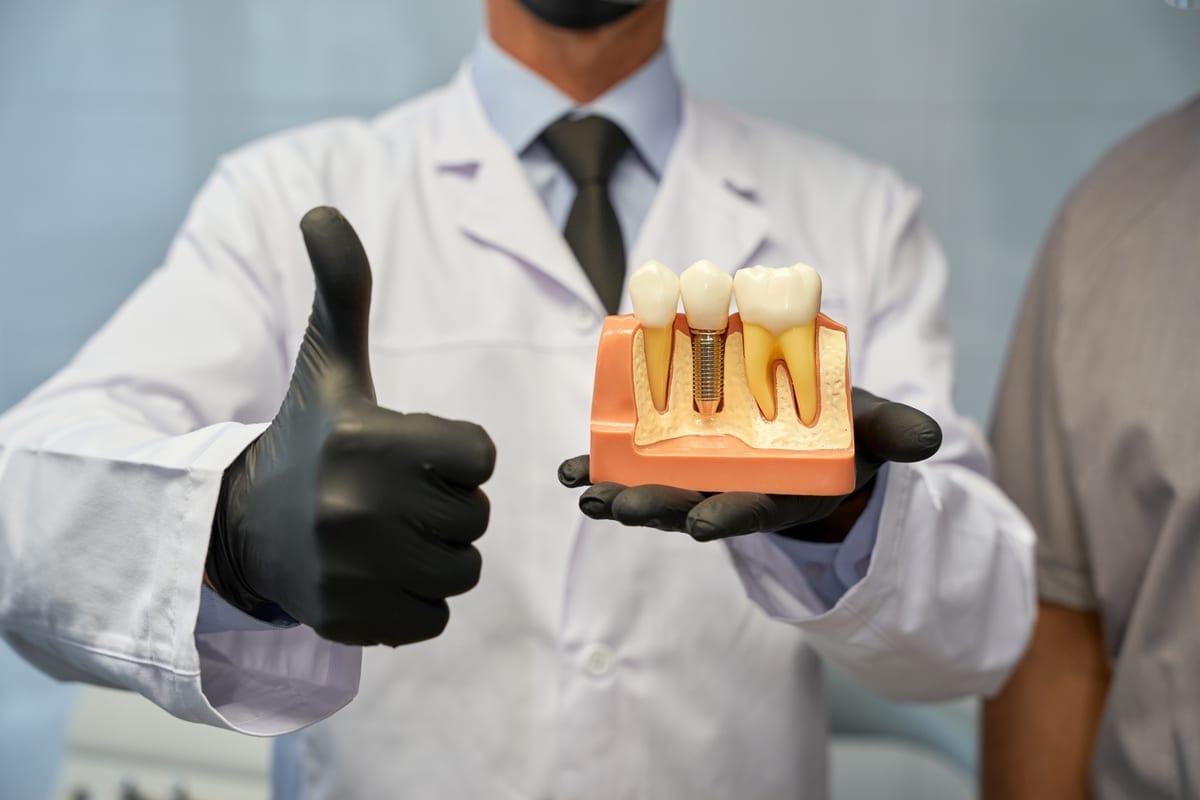
Understanding your dental implant recovery can make the entire process far less stressful. Whether you just had your procedure or you are planning ahead, knowing what to expect helps you heal faster and smarter. This complete guide covers the recovery timeline, what to eat, pain management strategies, and long-term care tips. Patients across North Newton trust Newton Dental Studio and Dr. Bo Davidson to walk them through every step of dental implant recovery with confidence.
Your Dental Implant Recovery Timeline in North Newton
Recovery after dental implant surgery happens in distinct phases. Each phase brings different sensations, healing milestones, and care requirements. Understanding each stage helps you stay on track and avoid setbacks.
Days 1–3: This is the most intense part of recovery. Swelling, mild bleeding, and discomfort are completely normal. Your body is beginning the healing process around the implant site.
Days 4–7: Swelling typically peaks around day three and then begins to subside. Most patients notice significant improvement by day five or six. You may still feel some tenderness when chewing.
Weeks 2–4: The soft tissue around the implant continues healing. Most patients return to their normal routines during this window. You should still avoid hard or crunchy foods.
Months 2–6: This phase is called osseointegration. Your jawbone slowly fuses with the titanium implant post. This process is critical for long-term implant stability and success.
What to Eat During Implant Recovery
Your diet plays a major role in how smoothly your healing progresses. Choosing the right foods reduces strain on the implant site. It also lowers your risk of complications or delayed healing.
During the first week, stick to soft and liquid-based foods. Avoid anything that requires significant chewing pressure. The goal is to protect the surgical site while still getting proper nutrition.
- Smoothies and protein shakes
- Mashed potatoes and soft-cooked vegetables
- Yogurt, applesauce, and pudding
- Scrambled eggs and soft fish
- Broth-based soups
After the first two weeks, you can gradually reintroduce semi-soft foods. However, always chew on the opposite side of your implant when possible. Continue avoiding hard, sticky, or crunchy items until your dentist gives you the all-clear.
Pain Management and What Feels Normal
Some discomfort after implant placement is completely expected. Managing that discomfort effectively helps you rest and heal properly. Dr. Bo Davidson at Newton Dental Studio provides clear post-op instructions for every patient.
Over-the-counter pain relievers like ibuprofen work well for most patients. Take them as directed and stay ahead of discomfort rather than waiting for pain to build. Ice packs applied to the cheek in 20-minute intervals also reduce swelling effectively.
It is important to know which symptoms are normal and which are warning signs. Most discomfort fades significantly within five to seven days. Contact our office promptly if you experience any of the following:
- Severe or worsening pain after day four
- Persistent bleeding that does not slow down
- Signs of infection such as pus or fever
- Implant feeling loose or shifting
- Numbness that does not resolve after 48 hours
These situations are uncommon, but knowing the warning signs protects your investment and your health. Dr. Davidson and the Newton Dental Studio team are always available when you need guidance.
Long-Term Care for Dental Implants in North Newton
Once your implant fully integrates, caring for it is very similar to caring for a natural tooth. Consistent oral hygiene keeps the surrounding gum tissue healthy. It also protects the restoration placed on top of the implant.
Brush at least twice daily using a soft-bristle toothbrush. Floss around the implant post carefully every single day. A water flosser can be especially effective for cleaning hard-to-reach areas around implants.
Schedule regular professional cleanings at Newton Dental Studio every six months. Professional checkups allow Dr. Davidson to monitor the implant, surrounding bone, and gum health. Early detection of any issues prevents costly complications down the road.
Dental implants can last decades with proper care. They are one of the most durable and natural-looking tooth replacement options available today. Many patients in North Newton pair their implants with other services like Cosmetic Dentistry to complete their ideal smile transformation.
When Implants and Other Treatments Overlap
Sometimes dental implant recovery intersects with other dental needs. For example, some patients require a Root Canals procedure on a neighboring tooth during their treatment timeline. Dr. Davidson creates a personalized care plan to manage multiple treatments safely and efficiently.
Good communication with your dental team is essential during any complex treatment period. Always inform Dr. Davidson about any new symptoms, concerns, or changes in your health. This helps ensure your recovery stays on the right track.
North Newton patients deserve a team that listens and responds with expertise and genuine care. At Newton Dental Studio, we combine advanced technology with a compassionate approach to every phase of your treatment journey.
Conclusion: Heal Well and Smile Confidently
Dental implant recovery is a process that rewards patience and proper care. Following your timeline, eating wisely, managing discomfort, and maintaining great hygiene all contribute to outstanding long-term results. Patients throughout North Newton trust Dr. Bo Davidson to guide them every step of the way. Book Now to schedule your appointment with our team.
Frequently Asked Questions
How long does dental implant recovery take?
Most patients experience the most intense recovery during the first one to two weeks. However, complete osseointegration — the fusion of the implant with your jawbone — takes approximately three to six months. The timeline varies based on individual health, bone density, and how well post-op instructions are followed.
Is dental implant recovery painful?
Mild to moderate discomfort is normal for the first few days following implant placement. Most patients manage this well with over-the-counter pain relievers and ice packs. Severe or worsening pain after day four is not typical and should prompt a call to your dental office.
What foods should I avoid during implant recovery?
During the first week, avoid hard, crunchy, chewy, and sticky foods entirely. Examples include raw vegetables, nuts, hard bread, and chewing gum. A soft-food diet during early recovery significantly reduces stress on the implant site and supports proper healing.
Can I brush my teeth normally after implant surgery?
You should brush your remaining teeth gently starting the day after surgery. Avoid brushing directly over the implant site during the first few days. Your dentist will advise you when it is safe to resume normal brushing around the implant area.
When can I return to work after dental implant surgery?
Most patients with desk jobs or low-activity work return within one to three days. If your job involves physical labor or strenuous activity, you may need five to seven days of rest. Always follow Dr. Davidson’s specific recommendations based on your individual procedure.