
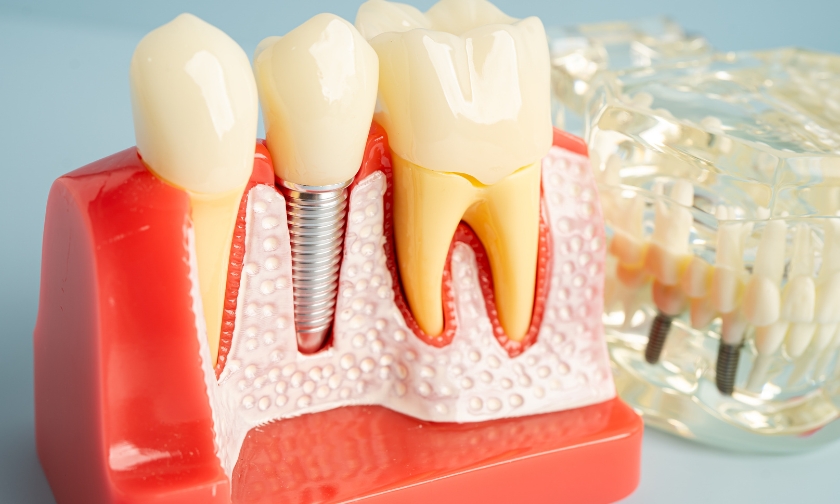
Dental implants are a great investment in your smile, but like any investment, they require care to last a lifetime. While implants offer a long-term solution for missing teeth, proper maintenance is essential to ensure their success.
One of the biggest threats to the longevity of implants is peri-implantitis, a condition that can compromise both the health of your implant and your overall oral well-being. Peri-implantitis is preventable with the right care, and avoiding it ensures your implants continue to function and look great for many years to come.
In this blog, we’ll dive into what peri-implantitis is, how it affects your dental implants, and what steps you can take to prevent it. At Newton Dental Studio, we are committed to helping you care for your investment, ensuring your implants remain healthy and functional for life.
What is Peri-Implantitis?
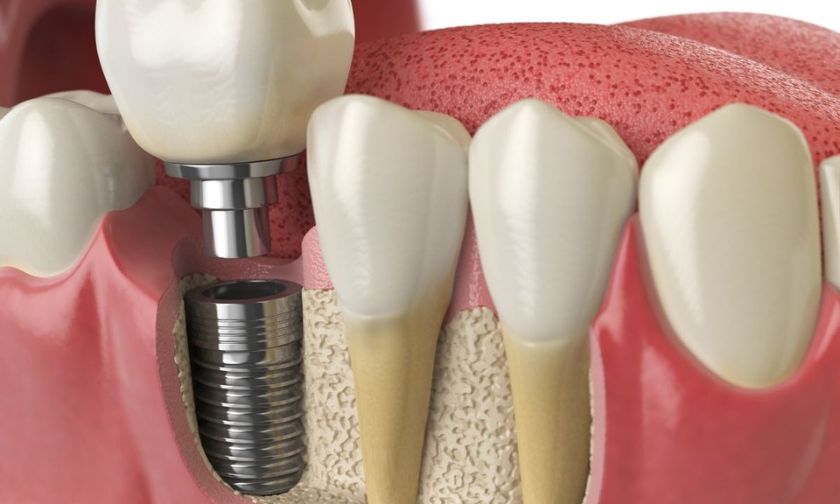
Peri-implantitis is an inflammatory condition that affects the tissues surrounding a dental implant. Much like gum disease, it involves infection in the soft tissue and bone around the implant.
If left untreated, peri-implantitis can lead to severe bone loss and eventual implant failure. The condition typically arises due to poor oral hygiene, plaque accumulation, or an untreated gum infection around the implant.
Signs and Symptoms:
- Gum inflammation and redness around the implant site
- Bleeding gums when brushing or flossing
- Swelling or tenderness near the implant
- Recession of the gums around the implant
- Bone loss is visible on X-rays, leading to implant instability
Peri-implantitis is similar to periodontitis, a type of gum disease that affects natural teeth, but it specifically impacts implants. The difference lies in the inflammation’s effect on the surrounding bone, which can be more severe because the bone around implants is not as resilient as natural tooth-supporting bone.
How Peri-Implantitis Affects Your Implants
When left untreated, peri-implantitis can have severe consequences for your dental implants in Newton. Over time, the bacteria causing the infection can break down the bone supporting the implant, leading to its loosening or complete failure. If the infection spreads, it could affect neighboring teeth or other implants, causing further complications.
Long-Term Impact:
The long-term effects of peri-implantitis can be costly and damaging. The infection can lead to implant mobility, requiring the removal of the implant and replacement with a new one. This process can be both painful and expensive.
Connection to Overall Health:
Moreover, untreated peri-implantitis may not only affect your oral health. Studies have shown that untreated infections in the mouth can lead to systemic health issues. For instance, there may be links between peri-implantitis and heart disease, diabetes, and other chronic conditions. This makes it all the more important to monitor and prevent peri-implantitis before it progresses.
Professional Tips for Preventing Peri-Implantitis
At Newton Dental Studio, we recommend a few key practices to help prevent peri-implantitis and keep your dental implants healthy for life.
Good Oral Hygiene:
Proper oral hygiene is the cornerstone of preventing peri-implantitis. Brushing your implants twice a day with a soft-bristled toothbrush and fluoride toothpaste is essential to remove plaque. Additionally, using interdental brushes or a water flosser around the implants can help eliminate bacteria from hard-to-reach areas.
Regular Dental Visits:
Routine checkups and professional cleanings at Newton Dental Studio are critical for keeping your implants in top shape. Regular visits allow us to monitor the health of your implants, remove tartar buildup, and catch early signs of peri-implantitis before it causes serious damage.
Proper Diet:
A diet rich in vitamins and minerals is essential for supporting gum and bone health. Foods high in vitamin C, calcium, and other nutrients help maintain strong gums and prevent infection. Avoid excessive sugary foods, as they can contribute to bacterial growth around implants.
Quit Smoking:
Smoking is one of the leading risk factors for peri-implantitis. It impairs blood flow to the gums, making it harder for the body to fight off infections. If you’re a smoker, quitting can dramatically reduce your risk of implant complications.
Using the Right Tools:
At Newton Dental Studio, we often recommend specialized cleaning tools for those with implants. Implant-specific brushes, soft flossers, and antibacterial rinses are designed to clean around implants safely, ensuring you can maintain a clean and healthy implant environment.
Advanced Care: Professional Interventions
In cases where peri-implantitis has already begun to form, advanced treatments may be necessary to save your implant.
Laser Therapy:
Laser therapy is one of the most effective ways to treat early peri-implantitis. This non-invasive procedure uses a focused laser beam to remove bacteria and infected tissue from around the implant. It promotes healing without damaging surrounding healthy tissues.
Scaling and Root Planing:
For more advanced cases, deep cleaning procedures, such as scaling and root planing, may be necessary. These treatments involve the removal of tartar and plaque from below the gumline and smoothing the implant surface to prevent further bacterial buildup.
Antibiotic Treatment:
In some cases, your dentist may prescribe antibiotics to help eliminate infection. These can be administered orally or directly at the implant site to target specific bacteria causing the infection.
6. What to Do If You Notice Early Symptoms
If you notice any early signs of peri-implantitis, such as bleeding gums, pain, or swelling around your implants, don’t wait. Seeking professional care at Newton Dental Studio as soon as possible can help prevent the need for more extensive treatments.
Don’t Ignore Warning Signs:
Ignoring early symptoms can lead to irreversible damage to your implant and surrounding bone. If you notice discomfort or changes around your implants, schedule a visit with us immediately.
Prompt Action:
The earlier peri-implantitis is detected, the easier it is to treat. Early intervention can prevent bone loss and save your implant from being lost. Contact us today to schedule a consultation if you suspect any issues with your dental implants in Newton.
Preventing peri-implantitis is vital to preserving the longevity and health of your dental implants. By practicing good oral hygiene, attending regular dental checkups, and following professional tips, you can ensure that your implants last a lifetime. If you notice any early symptoms, prompt intervention can save your implant and prevent further complications.
At Newton Dental Studio, we are dedicated to helping you care for your dental implants. Contact us today for a thorough implant checkup, and let us help you keep your smile healthy and vibrant for years to come.