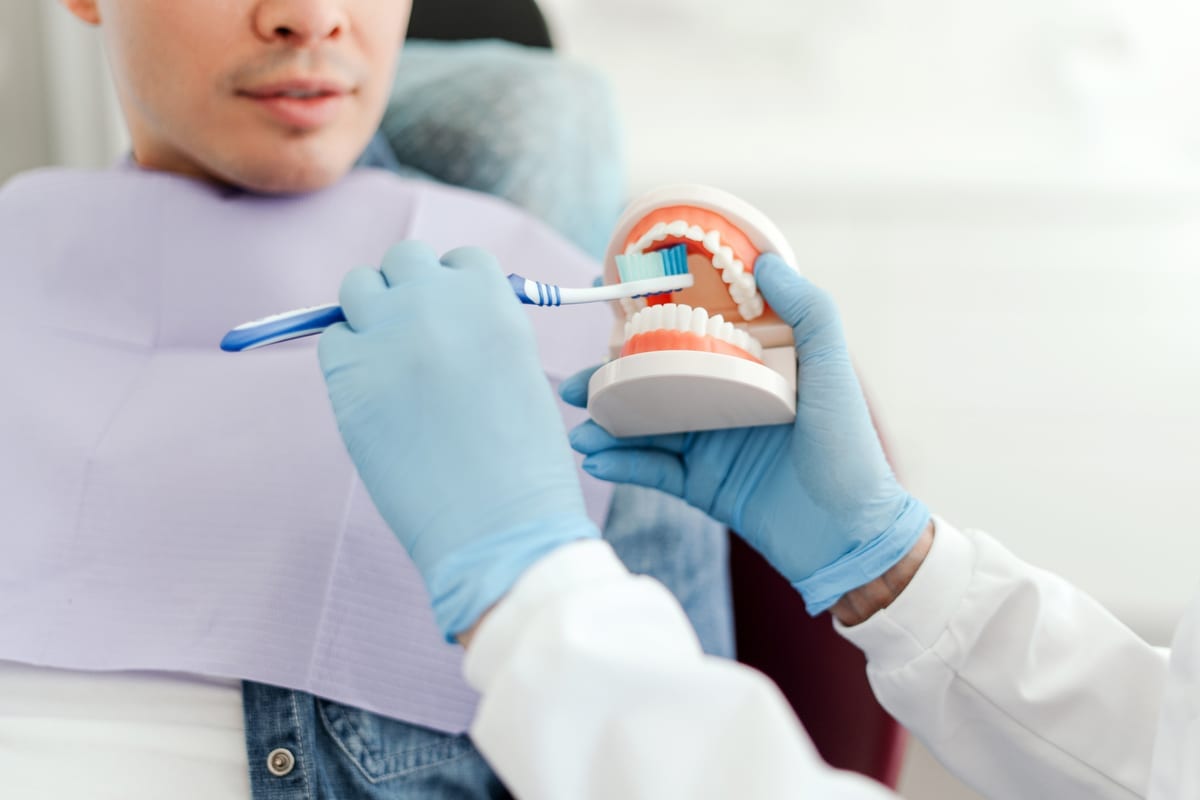

Many patients sit back in the chair and wonder what is actually happening during their appointment. Understanding what your hygienist actually does during a professional cleaning in North Newton can ease anxiety and help you appreciate every step. At Newton Dental Studio, Dr. Bo Davidson and our hygiene team believe informed patients make better decisions about their oral health. This article walks you through the entire process — tool by tool, step by step.
Why Professional Cleanings Go Beyond Brushing at Home
Brushing and flossing at home are essential habits. However, they cannot remove everything that builds up over time. Plaque hardens into tartar within 24 to 72 hours, and tartar requires professional tools to remove safely.
Even the most diligent brushers miss spots. The back molars, the gumline, and spaces between teeth all collect debris. A professional cleaning targets these areas with precision instruments that no toothbrush can replicate.
For North Newton residents, routine professional cleanings are also an opportunity for early detection. Catching small problems early saves time, discomfort, and cost down the road. This is why most adults benefit from visiting their hygienist every six months.
What Your Hygienist Actually Does During a Professional Cleaning in North Newton — Step by Step
Your appointment follows a structured process. Each step has a specific purpose, and nothing is done randomly. Here is what to expect from the moment you sit down.
- Medical history review: Your hygienist checks for any updates to your health or medications before touching your teeth.
- Physical examination: The hygienist uses a small mirror to assess your gums, teeth, and soft tissues for visible concerns.
- Scaling: A metal scaler removes tartar from tooth surfaces and along the gumline. You may hear scraping sounds — this is completely normal.
- Polishing: A handheld electric tool with a rubber cup and gritty paste buffs away surface stains and smooths enamel.
- Flossing: Your hygienist flosses between every tooth, removing debris and checking for bleeding or sensitivity.
- Rinse and fluoride: A rinse clears the mouth, and fluoride treatment may be applied to strengthen enamel.
Each of these steps gives your hygienist important clinical information. They are not just cleaning — they are evaluating your oral health in real time.
What the Hygienist Is Looking For During Your Visit
Your hygienist is trained to spot early warning signs that patients cannot see or feel themselves. They evaluate several things simultaneously while cleaning your teeth.
Gum health is a top priority. Healthy gums are firm and do not bleed easily. Redness, swelling, or bleeding during scaling may indicate gingivitis or early periodontal disease. Your hygienist records pocket depths — the space between your gum and tooth — using a small probe measured in millimeters.
They also look for signs of decay, cracked teeth, and worn enamel. If a tooth shows significant structural damage, your hygienist may flag it for Dr. Davidson to examine. In some cases, a damaged tooth may eventually need a restoration like Dental Crowns North Newton to restore full function and protect the remaining structure.
Soft tissue health matters too. Your hygienist checks the tongue, cheeks, and palate for any unusual lesions or discoloration. Early detection of soft tissue changes can be critical for long-term health outcomes.
The Tools Your Hygienist Uses and Why They Matter
Every instrument in the hygienist’s tray has a specific function. Understanding each one removes the mystery from the experience.
- Mouth mirror: Allows the hygienist to see around corners and behind teeth without straining your neck or jaw.
- Scaler and curette: These handheld metal tools chip away tartar deposits above and below the gumline.
- Ultrasonic scaler: Uses vibration and water to break up stubborn tartar quickly, especially in deep pockets.
- Periodontal probe: Measures gum pocket depth. Numbers above three millimeters may signal concern.
- Polishing handpiece: Removes surface stains from coffee, tea, or other foods using a gentle abrasive paste.
- Saliva ejector and suction tip: Keeps your mouth clear so the hygienist can work efficiently.
These tools are carefully sterilized between every patient. Newton Dental Studio follows strict infection control protocols to keep every visit safe and comfortable.
When the Dentist Steps In — and What Comes Next
After your cleaning, Dr. Bo Davidson typically joins for a full examination. He reviews your X-rays, checks the hygienist’s notes, and examines your teeth directly. This two-part approach ensures nothing is missed.
If Dr. Davidson identifies areas of concern, he explains them clearly before recommending any next steps. Some patients may need a follow-up for a filling, a crown, or additional gum therapy. Others may be given a clean bill of health and simply scheduled for their next routine visit.
In certain cases, patients with missing teeth may be candidates for tooth replacement options. During this exam, Dr. Davidson can discuss whether solutions like Dental Implants North Newton might be appropriate for restoring function and appearance. He takes a thorough, individualized approach with every patient.
Leaving with a treatment plan — or simply a future appointment — gives you a clear path forward. That clarity is part of what makes routine cleanings so valuable for your overall health.
Frequently Asked Questions
How long does a professional cleaning usually take?
Most routine cleanings take between 45 minutes and one hour. If it has been longer than six months since your last visit, or if tartar buildup is significant, the appointment may run slightly longer. Your hygienist will keep you informed throughout.
Is it normal for my gums to bleed during a cleaning?
Some bleeding during scaling is common, especially if your gums are inflamed or if it has been a while since your last cleaning. Consistent bleeding may indicate early gum disease. Your hygienist will note any bleeding and discuss what it means for your gum health.
What is the difference between a regular cleaning and a deep cleaning?
A regular cleaning removes tartar above and just below the gumline in patients with healthy or mildly inflamed gums. A deep cleaning — also called scaling and root planing — goes further below the gumline and is used to treat periodontal disease. Dr. Davidson and your hygienist will recommend the appropriate type based on your individual needs.
How often should North Newton patients schedule a professional cleaning?
Most adults benefit from a professional cleaning every six months. Patients with a history of gum disease, dry mouth, or higher cavity risk may be advised to visit more frequently — sometimes every three to four months. Your hygienist will help determine the ideal schedule for you.
Can a cleaning appointment help with teeth sensitivity?
Yes, in some cases. Removing tartar buildup and polishing the enamel surface can reduce certain types of sensitivity. If sensitivity is significant, your hygienist may apply a desensitizing fluoride treatment. Persistent sensitivity is worth discussing with Dr. Davidson, as it can signal underlying issues.
At Newton Dental Studio, we want every North Newton patient to walk out feeling confident and informed. A professional cleaning is one of the most powerful tools you have for lifelong oral health. Book Now to schedule your appointment with our team.