
Charcoal toothpaste has had quite the moment. Walk down any pharmacy aisle or scroll through social media, and you’ll find jet-black tubes promising a brighter, whiter smile through the power of activated charcoal. The marketing is convincing. The before-and-after photos are compelling. But the actual science of dentistry tells a more complicated story.
If you’ve been curious about trying it or you’ve already been using it for a while, this is worth reading before your next tube runs out. And if you’re looking for a dentist near Newton, KS, who can create a personalized whitening plan tailored to your teeth’s needs, Newton Dental Studio offers exactly that kind of one-on-one care.
What Is Activated Charcoal?
Activated charcoal is a form of carbon that’s been processed at high temperatures to create a porous structure. That porosity gives it an impressive surface area, which is why it’s used medically to absorb toxins in cases of poisoning. In toothpaste, the idea is that those same properties will adsorb surface stains and bacteria from your teeth.
The concept sounds logical. The problem is that the mouth isn’t a gastrointestinal tract, and the way staining works on enamel doesn’t respond to adsorption the way marketing suggests.
The Whitening Claim: What the Research Shows
Here’s the part that tends to surprise people. A comprehensive review published in the British Dental Journal in 2019 examined the evidence behind charcoal-based dental products and found no reliable clinical data to support whitening claims. The researchers noted that most of the evidence was anecdotal or based on in-vitro studies that don’t reflect what happens in an actual human mouth.
What charcoal toothpaste does at least temporarily is remove some surface staining through physical abrasion. That can make teeth appear brighter in the short term. But that’s not the same as whitening. True whitening changes the color of the tooth structure itself through a chemical process, typically using hydrogen peroxide or carbamide peroxide. Charcoal toothpaste doesn’t do that.
The brightness some people notice is likely the result of the abrasive particles polishing away extrinsic stains — the kind that sit on the outer surface from coffee, tea, or red wine. Your regular toothpaste already does some of this, though with far better controls on abrasivity.
Looking online for a ‘dentist near me’ for a detailed discussion with a dentist about this? You’ve reached the safe space.
The Real Concern: Abrasion and Enamel Loss
This is where the conversation gets more serious. Enamel is the hard outer layer of your teeth, which doesn’t regenerate. Once it’s worn down, it’s gone. And charcoal particles, while fine-grained, are abrasive enough to accelerate that wear over time.
The American Dental Association (ADA) evaluates toothpastes using a scale called the Relative Dentin Abrasivity (RDA). Most charcoal toothpastes haven’t undergone this testing, so there’s no standardized data on how much damage they cause over months or years of use.
Here’s why that matters practically:
- Enamel erosion exposes the dentin layer beneath, which is naturally more yellow, meaning aggressive abrasion can actually make teeth look darker over time, not lighter
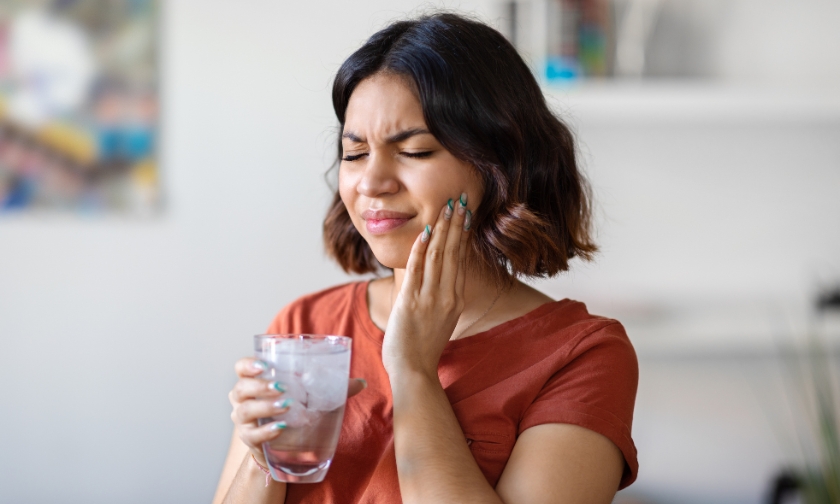
- Thinner enamel also means increased sensitivity to hot, cold, and sweet foods
- Damaged enamel is more susceptible to decay, since the protective outer barrier has been compromised
- Most charcoal toothpastes lack fluoride, the ingredient most responsible for cavity prevention and enamel remineralization
A toothpaste that doesn’t contain fluoride is actively leaving out something your teeth need every day.
What Works for Whiter Teeth
If a brighter smile is genuinely your goal, there are approaches with strong clinical backing.
Professional whitening treatments done in-office or with take-home trays custom-fitted by your modern dentist in Newton, KS, safely lighten tooth color. The process is monitored, the concentrations are calibrated to your enamel’s condition, and the results are measurably more effective than anything available over the counter.
For surface staining, a professional polish during a routine cleaning often achieves the same short-term result that people credit to charcoal toothpaste — without the abrasion risk. It’s also a good time to ask about your enamel health and whether any sensitivity you’ve noticed warrants attention.
Newton, KS, is a small community where word of mouth still matters, and people tend to value straightforward, honest, and personalized dental care. At Newton Dental Studio, the approach to whitening and every other service is built around what the evidence supports and what actually fits your specific situation. That’s what patients expect from the best dentist in Newton, KS.
So, Should You Ditch the Charcoal Toothpaste?
If you’ve been using it occasionally and your enamel is healthy, the damage may be minimal. But as a daily toothpaste replacement, especially one without fluoride, the risk-to-benefit calculation doesn’t hold up well under scrutiny. The whitening effect is temporary and surface-level at best. The abrasion risk is real and cumulative. And the missing fluoride is a genuine gap in your daily dental protection.
A better routine: use an ADA-accepted fluoride toothpaste daily, stay consistent with flossing, keep up with professional cleanings, and talk to your dentist if whitening is a priority. That combination delivers results that charcoal simply can’t match.
Want a Whitening Plan That’s Built for Your Teeth?
If you’re searching for a dentist near Newton who takes a modern, evidence-based approach to care without the one-size-fits-all treatment plans, a boutique dental studio like Newton Dental Studio is worth a visit. Whether you’re curious about whitening options, concerned about enamel health, or just due for a cleaning, the team here will take the time to actually listen.
Book your appointment online or call us.